Library › Special populations and systemic disease › HIV and the heart
HIV and cardiovascular disease
Cardiovascular disease in adults with HIV infection, from mechanisms and risk estimation through statin therapy, antiretroviral drug effects and interactions, coronary, myocardial, pericardial, pulmonary vascular, rhythm, and vascular disease, and care in special groups.
People with HIV have about 1.5 to 2 times the risk of atherosclerotic cardiovascular disease (ASCVD) of people without HIV, even with suppressed viremia. The 2026 American College of Cardiology/American Heart Association (ACC/AHA) dyslipidemia guideline recommends statin therapy for adults aged 40 to 75 years with HIV on stable antiretroviral therapy irrespective of low-density lipoprotein cholesterol (LDL-C) and without a risk calculation. The recommendation rests on the Randomized Trial to Prevent Vascular Events in HIV (REPRIEVE), in which pitavastatin 4 mg reduced major adverse cardiovascular events by about one-third. Ritonavir and cobicistat boosters govern the choice of statin, antiplatelet, anticoagulant, antiarrhythmic, and pulmonary arterial hypertension drugs.
HIV and cardiovascular disease in the antiretroviral era
Effective antiretroviral therapy (ART) has turned HIV infection into a chronic condition with a near-normal life expectancy. The causes of death in people with HIV have shifted from opportunistic infection to non-AIDS conditions: cardiovascular disease, cancer, liver disease, and kidney disease. The population is aging. Many people receiving HIV care in the United States are older than 50 years, and cardiovascular disease accumulates alongside diabetes, chronic kidney disease, chronic obstructive pulmonary disease (COPD), and frailty (Feinstein 2019).
The excess atherosclerotic risk is consistent across cohorts. In a meta-analysis of 80 studies with 793,635 people with HIV and 3.5 million person-years of follow-up, the crude rate of cardiovascular disease was 61.8 per 10,000 person-years, and the risk ratio compared with people without HIV was 2.16 (95% confidence interval [CI] 1.68–2.77). The global burden of HIV-associated cardiovascular disease tripled between 1990 and 2015 to 2.6 million disability-adjusted life-years a year, with the largest share in sub-Saharan Africa and the Asia-Pacific region (Shah 2018). In the Veterans Aging Cohort Study, HIV was associated with a 48% higher risk of acute myocardial infarction after adjustment for Framingham risk factors, comorbidities, and substance use (hazard ratio [HR] 1.48). The excess persisted in veterans with HIV RNA below 500 copies/mL (HR 1.39) (Freiberg 2013). In a US health care system registry, the adjusted relative risk of myocardial infarction was 1.75 (Triant 2007).
The spectrum of cardiac disease reflects the stage of infection and access to treatment. Before effective ART, and in people with untreated advanced disease, pericardial effusion, dilated cardiomyopathy, myocarditis from opportunistic pathogens, cardiac lymphoma, and Kaposi sarcoma predominate. In people with suppressed viremia, atherosclerosis, heart failure with preserved or reduced ejection fraction, myocardial fibrosis, arrhythmia, sudden death, and the cardiometabolic effects of antiretroviral drugs predominate. In sub-Saharan Africa, where most people with HIV live, tuberculous pericarditis and HIV-associated cardiomyopathy remain common.
| Setting | Predominant cardiovascular disease | Main drivers |
|---|---|---|
| Untreated infection or advanced immunosuppression (CD4 below 200 cells/µL) | Pericardial effusion, tuberculous and other infectious pericarditis, HIV-associated dilated cardiomyopathy, opportunistic myocarditis, cardiac lymphoma and Kaposi sarcoma, nonbacterial thrombotic endocarditis, pulmonary arterial hypertension | Viral replication, immune deficiency, opportunistic infection, malnutrition |
| Treated infection with suppressed viremia | Coronary disease and myocardial infarction, heart failure with preserved and reduced ejection fraction, myocardial fibrosis, atrial fibrillation, sudden cardiac death, stroke, peripheral artery disease, venous thromboembolism | Residual immune activation and inflammation, traditional risk factors, smoking and substance use, antiretroviral drug effects, aging |
| Any stage | Drug interactions with cardiovascular therapy, QT and PR prolongation, infective endocarditis with injection drug use, pulmonary arterial hypertension | Ritonavir and cobicistat boosters, enzyme inducers, injection and stimulant drug use |
Cardiovascular disease in adults with HIV by stage of infection, summarized from the 2019 AHA scientific statement and the cohorts cited in the text.
Mechanisms of vascular injury: immune activation, inflammation, and viral proteins
Residual immune activation and inflammation. ART suppresses viral replication but does not restore immune homeostasis. Persistent low-level viral transcription from latent reservoirs, depletion of gut-associated lymphoid tissue, coinfections, and the residual effects of earlier immunodeficiency keep monocytes, macrophages, and T cells activated. Activated monocytes enter the arterial wall, and arterial inflammation measured by fluorodeoxyglucose (FDG) positron emission tomography (PET) is higher in people with HIV than in matched controls (Feinstein 2019). The inflammatory pathway links HIV to atherosclerosis, myocardial fibrosis, heart failure, thrombosis, and pulmonary vascular disease.
Inflammatory and coagulation biomarkers. In the Strategies for Management of Antiretroviral Therapy (SMART) trial, interleukin-6 (IL-6) and D-dimer measured at entry were strongly related to all-cause mortality, and ART interruption raised both (Kuller 2008). Soluble CD14 and soluble CD163, markers of monocyte and macrophage activation, are associated with noncalcified coronary plaque and arterial inflammation in people with HIV. High-sensitivity C-reactive protein (hsCRP) adds less than it does in the general population because it reflects many concurrent inflammatory sources (Feinstein 2019). In the REPRIEVE mechanistic substudy, pitavastatin lowered oxidized LDL by 29% (13% with placebo) and lipoprotein-associated phospholipase A2 by 7% (a 14% rise with placebo) over 24 months (Lu 2024).
| Biomarker | What it reflects | Association in people with HIV |
|---|---|---|
| Interleukin-6 | Systemic inflammation | All-cause mortality and cardiovascular events; rises with ART interruption (SMART) |
| D-dimer | Coagulation activation and fibrin turnover | All-cause mortality and venous thromboembolism; rises with ART interruption |
| Soluble CD14 | Monocyte activation by bacterial lipopolysaccharide; a marker of microbial translocation | Mortality and subclinical atherosclerosis |
| Soluble CD163 | Macrophage activation | Noncalcified coronary plaque and arterial inflammation |
| High-sensitivity C-reactive protein | Hepatic acute-phase response to IL-6 | Cardiovascular events; less specific because of coinfection and comorbid inflammation |
| Oxidized LDL and lipoprotein-associated phospholipase A2 | Lipid oxidation and arterial inflammation | Reduced by pitavastatin in REPRIEVE |
Biomarkers of inflammation and immune activation in HIV. None is used to select patients for therapy in US guidelines. Sources: Kuller 2008, Feinstein 2019, Lu 2024.
Microbial translocation. HIV depletes CD4 T cells of the gut mucosa early in infection, and the damaged epithelial barrier allows bacterial products such as lipopolysaccharide to enter the portal and systemic circulation. Lipopolysaccharide activates monocytes through toll-like receptor 4 and CD14, and soluble CD14 is the circulating trace of this process. Mucosal T-cell depletion is only partly reversed by ART.
Viral proteins and endothelial dysfunction. HIV proteins act on vascular cells independently of active replication. The envelope glycoprotein gp120 induces endothelial apoptosis and increases endothelial permeability. The transactivator protein Tat activates endothelial cells, increases expression of adhesion molecules, and promotes angiogenesis. Nef impairs cholesterol efflux from macrophages through the ATP-binding cassette transporter A1, promoting foam-cell formation. Nef, Tat, and gp120 have also been implicated in the pulmonary vascular remodeling of HIV-associated pulmonary arterial hypertension (Feinstein 2019). The net effect is endothelial dysfunction, measured as reduced flow-mediated dilation, which improves partly with ART.
Coinfections. Cytomegalovirus coinfection is nearly universal in people with HIV, and the cytomegalovirus-specific T-cell response drives immune senescence and inflammation associated with subclinical atherosclerosis. Hepatitis C coinfection, common in people who inject drugs, adds liver inflammation, insulin resistance, and kidney disease to the cardiovascular risk profile. It is treated with direct-acting antivirals, several of which interact with boosted regimens and with statins. Sofosbuvir-containing regimens given with amiodarone have caused serious symptomatic bradycardia, including fatal cardiac arrest and cases requiring pacing, usually within hours to days of starting therapy. The combination is not recommended. When no alternative exists, labeling specifies inpatient cardiac monitoring for the first 48 hours and daily heart-rate monitoring through at least the first 2 weeks, including in patients who stopped amiodarone shortly before starting therapy (see interactions with antiviral drugs). In the Veterans Aging Cohort analysis, the excess myocardial infarction risk persisted after adjustment for hepatitis C (Freiberg 2013).
CD4 nadir, current CD4 count, and viremia. Advanced immunodeficiency, past or present, marks vascular risk. In the Multicenter AIDS Cohort Study, a lower nadir CD4 count was associated with coronary stenosis greater than 50% among men with HIV, with a 20% lower prevalence for a nadir 100 cells/µL higher (prevalence ratio 0.80 per 100 cells/µL, 95% CI 0.69–0.94) (Post 2014). In veterans, a time-updated CD4 count below 200 cells/µL raised the risk of peripheral artery disease about 2-fold, and a sustained CD4 count of 500 cells/µL or more carried no excess risk (Beckman 2018). Detectable viremia and low CD4 counts are likewise associated with heart failure with reduced ejection fraction and atrial fibrillation (Freiberg 2017; Hsu 2013). These are risk-enhancing features within the HIV population and are documented in the cardiovascular history.
Traditional risk factors, smoking, and substance use in people with HIV
Smoking. Smoking is the largest modifiable cardiovascular risk factor in people with HIV. Among US adults receiving HIV care, 42.4% were current smokers compared with 20.6% of the general adult population, and the quit ratio was lower (32.4% versus 51.7%) (Mdodo 2015). In a Danish nationwide cohort with free ART, a 35-year-old smoker with HIV had a median life expectancy of 62.6 years and a nonsmoker 78.4 years. Smoking shortened life by 12.3 years and HIV itself by 5.1, and 61.5% of deaths among people with HIV were attributable to smoking (Helleberg 2013). Cessation follows standard pharmacotherapy. Varenicline has no clinically important interactions with antiretrovirals. Bupropion is metabolized by cytochrome P450 (CYP) 2B6. Efavirenz and ritonavir induce its metabolism and lower bupropion exposure, so the dose is increased as needed for clinical response without exceeding the maximum labeled dose. Nicotine replacement has no antiretroviral interactions.
Hypertension. In a meta-analysis of 49 studies with 63,554 participants, hypertension was present in 25.2% of people with HIV overall, 34.7% of those receiving ART, and 12.7% of those who were ART-naive, and prevalence rose with age and calendar time (Xu 2017). Contributors are traditional risk factors, weight gain after ART initiation, immune activation, renin-angiotensin-aldosterone system activation in the setting of visceral adiposity, and kidney disease. Thresholds and targets follow the general hypertension guideline approach. Drug choice is constrained by interactions: amlodipine, nifedipine, diltiazem, and verapamil concentrations rise with ritonavir and cobicistat, and dihydropyridines are started at low doses with these regimens. Diuretics, angiotensin-converting enzyme inhibitors, and angiotensin receptor blockers have no clinically important antiretroviral interactions.
Dyslipidemia. Untreated HIV infection lowers total, LDL, and high-density lipoprotein (HDL) cholesterol and raises triglycerides. Viral suppression returns total and LDL cholesterol toward or above pre-infection levels, while low HDL cholesterol often persists. The characteristic pattern in treated HIV is high triglycerides, low HDL cholesterol, and small dense LDL particles, accentuated by ritonavir-boosted protease inhibitors and by efavirenz. Protease inhibitors are among the drug causes of hypertriglyceridemia in the classification of secondary dyslipidemia.
Insulin resistance and diabetes. Older thymidine analogs (stavudine and zidovudine) and first-generation protease inhibitors (especially indinavir) caused insulin resistance and diabetes. Contemporary drivers are weight gain after ART initiation (particularly with integrase inhibitor and tenofovir alafenamide regimens), visceral adiposity, hepatitis C coinfection, and aging. In REPRIEVE, new diabetes occurred in 4.0% of placebo recipients during follow-up, and pitavastatin raised the incidence to 5.3% (Grinspoon 2023). Dolutegravir and bictegravir inhibit the renal transporters organic cation transporter 2 (OCT2) and multidrug and toxin extrusion protein 1 (MATE1) and raise metformin exposure; metformin labeling directs assessment of the combination and dose adjustment as needed.
Lipodystrophy and fat redistribution. Lipoatrophy (loss of subcutaneous fat from the face, limbs, and buttocks) was caused mainly by stavudine and zidovudine through mitochondrial toxicity in adipocytes, and lipohypertrophy (accumulation of visceral and dorsocervical fat) accompanied protease inhibitor regimens. Both are uncommon with current regimens, but people treated in the early ART era carry the residual phenotype, which tracks with insulin resistance, hypertriglyceridemia, and frailty. Tesamorelin, a growth hormone–releasing hormone analog, reduces visceral fat in people with HIV and abdominal fat accumulation.
Stimulant and other substance use. Methamphetamine and cocaine use are more prevalent among people with HIV than in the general population and cluster in men who have sex with men and in people who inject drugs. Methamphetamine causes coronary vasospasm, accelerated atherosclerosis, dilated cardiomyopathy, and pulmonary arterial hypertension; cocaine causes vasospasm, thrombosis, myocardial infarction at young age, and aortic dissection. In a US multicenter cohort, recent use of cocaine or other illicit drugs caused 13.5% of type 2 myocardial infarctions in people with HIV (Crane 2017). Stimulant exposure is documented in the cardiovascular history, and the acute management of stimulant-associated chest pain and acute coronary syndrome is the same as without HIV. Alcohol use disorder adds cardiomyopathy and atrial fibrillation risk. Methadone and buprenorphine are used for opioid use disorder; methadone prolongs the QT interval, and efavirenz and ritonavir lower methadone concentrations and can precipitate withdrawal.
Lifestyle, diet, physical activity, and weight. Fewer than 1% of REPRIEVE participants met ideal lifestyle and cardiovascular risk targets at entry (Zanni 2026). Weight gain after ART initiation is common, and obesity affects a large share of people with HIV in high-income countries. Diet, physical activity, and weight management follow the general prevention guideline. Glucagon-like peptide-1 receptor agonists and dual agonists have no clinically important antiretroviral interactions, and their cardiovascular evidence and indications apply unchanged.
Cardiometabolic effects of antiretroviral drug classes
Antiretroviral regimens combine two or three drugs, usually two nucleoside reverse transcriptase inhibitors (NRTIs) with an integrase strand transfer inhibitor (INSTI), a nonnucleoside reverse transcriptase inhibitor (NNRTI), or a boosted protease inhibitor. Contemporary first-line regimens are INSTI-based. The cardiovascular effects of individual drugs differ more within classes than between them.
Abacavir and myocardial infarction. In the Data Collection on Adverse Events of Anti-HIV Drugs (D:A:D) multicohort study of 33,347 patients, recent (current or within 6 months) use of abacavir was associated with a higher rate of myocardial infarction (relative rate 1.90), and the excess was not explained by predicted 10-year coronary risk. Cumulative use was not associated, and the risk did not persist more than 6 months after stopping. Recent didanosine use was also associated (relative rate 1.49) (Sabin 2008). Randomized trials and meta-analyses have given inconsistent results. The proposed mechanism is platelet hyperreactivity. In the REPRIEVE cohort, both former (HR 1.62) and current (HR 1.41) abacavir exposure were associated with major adverse cardiovascular events compared with no exposure, whereas no other antiretroviral class showed a consistent association (Fichtenbaum 2025). The US Department of Health and Human Services (HHS) guideline does not list dolutegravir-abacavir-lamivudine among the recommended initial regimens for most people, citing human leukocyte antigen (HLA)-B*5701 testing and the cardiovascular signal (HHS Panel).
Protease inhibitors. Ritonavir raises triglycerides and, at higher doses, LDL cholesterol, and lopinavir-ritonavir and the earlier indinavir and fosamprenavir regimens had the largest lipid effects. In the D:A:D analysis of contemporary protease inhibitors, cardiovascular incidence rose from 4.91 per 1,000 person-years in people unexposed to darunavir-ritonavir to 13.67 per 1,000 person-years with more than 6 years of exposure. The adjusted incidence rate ratio was 1.59 per 5 additional years of darunavir-ritonavir use, while atazanavir-ritonavir was not associated with risk (1.03) (Ryom 2018). Atazanavir inhibits uridine diphosphate glucuronosyltransferase 1A1 (UGT1A1) and raises unconjugated bilirubin, and atazanavir, lopinavir-ritonavir, and saquinavir-ritonavir prolong the PR interval.
Integrase inhibitors and weight gain. Raltegravir, dolutegravir, and bictegravir are lipid-neutral, and elvitegravir requires cobicistat boosting, which brings booster interactions and lipid effects. INSTI-based regimens are associated with more weight gain than NNRTI-based regimens, particularly in women and Black patients and in combination with tenofovir alafenamide. In the ADVANCE trial in South Africa (59% women), mean weight at 48 weeks rose by 6.4 kg with dolutegravir plus emtricitabine and tenofovir alafenamide, 3.2 kg with dolutegravir plus tenofovir disoproxil fumarate, and 1.7 kg with efavirenz-based therapy. The gain was both lean and fat mass (Venter 2019). In a target trial emulation of 5,114 people, switching to an INSTI was associated with higher rates of obesity (HR 1.41), diabetes (HR 1.50), and hypertension (HR 1.45), without a detectable effect on major adverse cardiovascular events (HR 1.17, 95% CI 0.87–1.57) during follow-up (Kileel 2026).
Tenofovir formulations. Tenofovir disoproxil fumarate (TDF) lowers total and LDL cholesterol, an effect lost when patients switch to tenofovir alafenamide (TAF), after which LDL cholesterol and triglycerides rise and weight increases. TDF causes proximal tubular injury and bone mineral density loss, and TAF, which delivers less tenofovir to plasma, has less kidney and bone toxicity. The lipid change after a TDF-to-TAF switch is a pharmacologic effect and is managed with lipid-lowering therapy when the regimen is otherwise preferred.
| Class | Drugs | Lipids, weight, and glucose | Cardiac and interaction features |
|---|---|---|---|
| NRTI | Abacavir | Neutral to mild LDL rise | Myocardial infarction signal (D:A:D, REPRIEVE); HLA-B*5701 testing before use |
| NRTI | Tenofovir disoproxil fumarate | Lowers total and LDL cholesterol | Proximal tubulopathy and bone loss; raises tenofovir levels with boosters |
| NRTI | Tenofovir alafenamide | Higher LDL and triglycerides than TDF; more weight gain | Less kidney and bone toxicity than TDF |
| NRTI (historical) | Zidovudine, stavudine, didanosine | Lipoatrophy, insulin resistance, hypertriglyceridemia | Mitochondrial toxicity; zidovudine cardiomyopathy; didanosine myocardial infarction signal |
| NNRTI | Efavirenz | Raises total cholesterol, LDL, and triglycerides | CYP3A4 and CYP2B6 induction; QTc prolongation, greater with CYP2B6 slow-metabolizer genotypes |
| NNRTI | Rilpivirine | Lipid-neutral | QTc prolongation at 75 and 300 mg (3 and 12 times the recommended dose); CYP3A4 substrate |
| NNRTI | Doravirine | Lipid-neutral or favorable | CYP3A4 substrate without inhibition or induction; few cardiovascular interactions |
| Boosted protease inhibitor | Darunavir, atazanavir, lopinavir with ritonavir or cobicistat | Hypertriglyceridemia, most with lopinavir-ritonavir; atazanavir least | Strong CYP3A4 inhibition; PR prolongation (atazanavir, lopinavir); darunavir-ritonavir cumulative cardiovascular risk signal (D:A:D) |
| INSTI, unboosted | Dolutegravir, bictegravir, raltegravir, cabotegravir | Lipid-neutral; weight gain with dolutegravir and bictegravir | Dolutegravir and bictegravir inhibit OCT2 and MATE1: serum creatinine rises without a change in glomerular filtration; dofetilide contraindicated; metformin exposure rises |
| INSTI, boosted | Elvitegravir-cobicistat | Raises LDL and triglycerides | Full CYP3A4 interaction profile of cobicistat |
| Capsid inhibitor | Lenacapavir | Neutral | Moderate CYP3A inhibitor and P-glycoprotein inhibitor; no clinically relevant QTc effect at 10.8 times therapeutic exposure |
| Attachment inhibitor | Fostemsavir | Neutral | QTc prolongation at 4 times the recommended dose; caution with QT-prolonging drugs |
| CCR5 antagonist | Maraviroc | Lipid-neutral; fewer patients crossed cholesterol treatment thresholds than with efavirenz (MacInnes 2011) | Postural hypotension, more likely above the recommended dose and with severe renal impairment; caution with cardiovascular disease, risk factors for postural hypotension, or blood pressure–lowering drugs; myocardial ischemia or infarction in 1.3% in phase 3 trials in treatment-experienced patients (none with placebo), mostly with prior cardiac disease or risk factors; CYP3A4 substrate dosed 150 mg twice daily with boosters and 600 mg twice daily with efavirenz |
Cardiometabolic and cardiac effects of antiretroviral drugs. Sources: US prescribing information for the individual drugs, D:A:D (Sabin 2008; Ryom 2018), REPRIEVE (Fichtenbaum 2025), ADVANCE (Venter 2019), MERIT (MacInnes 2011), and the 2019 AHA scientific statement. NRTI, nucleoside reverse transcriptase inhibitor; NNRTI, nonnucleoside reverse transcriptase inhibitor; INSTI, integrase strand transfer inhibitor.
Antiretroviral therapy as cardiovascular prevention: SMART and START
Two randomized trials support early and continuous ART, although neither was designed or powered to establish a cardiovascular benefit of viral suppression. In SMART, 5,472 participants were randomized to continuous ART or to CD4-guided interruption (stopping when the CD4 count exceeded 350 cells/µL and restarting below 250 cells/µL). Interruption increased opportunistic disease or death (HR 2.6) and major cardiovascular, renal, and hepatic disease (HR 1.7), and the trial stopped early (SMART 2006). In exploratory analyses based on 79 events, major cardiovascular events were more frequent with interruption (HR 1.57, 95% CI 1.00–2.46, P=0.05). Time off ART and higher viral load were not associated with cardiovascular risk, and the cause of the excess was not established. HDL cholesterol fell with interruption, and IL-6 and D-dimer rose (Phillips 2008; Kuller 2008). In the Strategic Timing of Antiretroviral Treatment (START) trial, 4,685 adults with CD4 counts above 500 cells/µL were randomized to immediate or deferred ART. Immediate treatment reduced serious AIDS-related events, serious non-AIDS events, or death by 57% (HR 0.43), and serious non-AIDS events alone by 39% (HR 0.61); cardiovascular events were too few for a separate conclusion (START 2015).
ART is therefore started at diagnosis regardless of CD4 count and is never interrupted to reduce drug exposure or cardiometabolic effects. The 2023 chronic coronary disease guideline states that in adults with chronic coronary disease and HIV, ART reduces cardiovascular events (Class 1), regimens with favorable lipid profiles are reasonable (Class 2a), and lovastatin and simvastatin are not combined with protease inhibitors (Class 3: Harm) (Virani 2023).
Switching antiretroviral regimens for cardiometabolic risk
No randomized trial has shown that changing a suppressive regimen reduces cardiovascular events. Switching is considered when a regimen contributes to a modifiable problem and an alternative of equal virologic durability exists. The decision is made with the HIV clinician because the full resistance history determines which alternatives are safe.
- Abacavir is replaced with tenofovir in people with established ASCVD or high cardiovascular risk when the resistance history allows, on the evidence of D:A:D and REPRIEVE.
- A boosted protease inhibitor is replaced with an unboosted INSTI, rilpivirine, or doravirine to improve triglycerides and to remove CYP3A4 inhibition when a cardiovascular drug (ticagrelor, rivaroxaban, eplerenone, ranolazine, ivabradine, dronedarone, or a pulmonary arterial hypertension drug) is needed. Boosted darunavir often remains necessary in people with protease inhibitor–sensitive virus and prior resistance to other classes.
- Efavirenz is replaced to lower LDL cholesterol and triglycerides, to remove CYP3A4 induction, or to remove QTc prolongation.
- A switch from TDF to TAF raises LDL cholesterol and weight, and a switch to an INSTI raises weight; both are anticipated and managed with lipid and weight therapy when the switch is indicated for kidney or bone reasons.
Switching to lower lipids is not a substitute for statin therapy. In REPRIEVE, participants on a wide range of regimens benefited from pitavastatin, and the guideline indication does not depend on the regimen (Grinspoon 2023).
Estimating ASCVD risk in people with HIV
General-population risk equations underestimate risk in people with HIV. In a Boston cohort of 1,272 men, the Framingham and pooled cohort equations (PCE) discriminated poorly (C statistics 0.65 to 0.68), observed events exceeded predicted events in most deciles, and recalibration did not restore calibration (Triant 2018). In the US Centers for AIDS Research Network of Integrated Clinical Systems (CNICS) cohort, the PCE discriminated myocardial infarction better (C statistic 0.75) but predicted consistently lower rates than observed, and models adding viral load, CD4 count, and antiretroviral exposure did not improve discrimination (Feinstein 2017). In REPRIEVE, the PCE underestimated risk in women and Black men from high-income countries, and the Predicting Risk of Cardiovascular Disease Events (PREVENT) equations also underestimate risk in people with HIV (Zanni 2026). The D:A:D equation, derived in European, Australian, and US cohorts, adds HIV-specific variables, including CD4 count and abacavir exposure, and is used mainly in Europe.
The 2018 ACC/AHA cholesterol guideline listed HIV infection as a risk-enhancing factor. The 2026 guideline replaced this with a direct indication for adults aged 40 to 75 years, so a PREVENT estimate does not decide whether a statin is used in that age range. It informs intensity, LDL-C goals, and the discussion with the patient. Outside 40 to 75 years, the calculation is personalized with HIV-specific features associated with higher risk in cohort studies: a CD4 nadir below 200 cells/µL, a history of prolonged viremia or current detectable viremia, prior exposure to thymidine analogs or long-term protease inhibitor therapy, current or past abacavir use, hepatitis C coinfection, and stimulant use. The risk-enhancing factors of the 2026 dyslipidemia guideline and statin eligibility by risk category apply to these patients unchanged.
Coronary plaque in HIV: noncalcified plaque, calcium scoring, and CT angiography
HIV produces more noncalcified, inflamed plaque at a given age and risk-factor burden. In the Multicenter AIDS Cohort Study, men with HIV had a higher prevalence of coronary artery calcium (prevalence ratio 1.21), any plaque (1.14), noncalcified plaque (1.28), and mixed plaque (1.35) than men without HIV. The associations with any plaque and noncalcified plaque persisted after adjustment for coronary risk factors, and longer ART duration and a lower nadir CD4 count were associated with stenosis greater than 50% (Post 2014). Noncalcified, low-attenuation plaque with positive remodeling is the phenotype associated with rupture.
This plaque phenotype limits coronary artery calcium (CAC) scoring. In the REPRIEVE US CT substudy, 20.8% of participants with a CAC score of 0 had noncalcified plaque on coronary CT angiography (Zanni 2026). A CAC score of 0 therefore does not remove the statin indication in an adult aged 40 to 75 years with HIV, although a high score lowers the LDL-C goal and supports high-intensity therapy. Coronary CT angiography identifies noncalcified plaque and stenosis when chest pain is evaluated, with test selection following the general chest pain pathway; it is not used to screen asymptomatic patients. Plaque characterization by coronary CT angiography follows standard reporting.
In the REPRIEVE mechanistic substudy (611 participants with paired CT angiograms), 24 months of pitavastatin reduced noncalcified plaque volume by 4.3 mm³ more than placebo (7% greater reduction) and made progression of noncalcified plaque 33% less likely (relative risk 0.67), with a larger effect in those with plaque at baseline (Lu 2024).
Statin therapy in HIV: REPRIEVE and the guideline decision
The REPRIEVE trial. REPRIEVE randomized 7,769 adults aged 40 to 75 years with HIV on ART, CD4 counts above 100 cells/µL, no known cardiovascular disease, and low to moderate 10-year ASCVD risk to pitavastatin 4 mg daily or placebo. The median age was 50 years, 31% were women, 41% were Black, the median 10-year PCE risk was 4.5%, the median CD4 count was 621 cells/µL, and nearly all had suppressed viremia. Major adverse cardiovascular events fell from 7.32 to 4.81 per 1,000 person-years (HR 0.65, 95% CI 0.48–0.90), and the trial was stopped early for efficacy after a median follow-up of 5.1 years. Muscle symptoms (2.3% versus 1.4%) and incident diabetes (5.3% versus 4.0%) were more frequent with pitavastatin (Grinspoon 2023). With extended follow-up to a median of 5.6 years, the hazard ratio was 0.64 (Beavers 2025).
The benefit exceeded what the LDL-C reduction would predict. LDL-C fell from 107 to 74 mg/dL at 12 months with pitavastatin and did not change with placebo (Beavers 2025), and a 30% lower time-updated LDL-C was associated with only a 20% lower risk of the primary end point (Zanni 2026). Reduction in noncalcified plaque, oxidized LDL, and arterial inflammation markers is the mechanistic counterpart (Lu 2024).
| 10-year ASCVD risk at entry (PCE) | Participants | Number needed to treat for 5 years to prevent one major adverse cardiovascular event |
|---|---|---|
| More than 10% | 563 (7%) | 34 |
| 5% to 10% | 2,995 (39%) | 53 |
| 2.5% to less than 5% | 2,055 (26%) | 130 |
| Less than 2.5% | 2,156 (28%) | 187 |
| All participants | 7,769 | 100 |
Absolute benefit of pitavastatin 4 mg in REPRIEVE by baseline risk, from the HHS panel synopsis (Beavers 2025). Subgroup estimates rest on few events. PCE, pooled cohort equations.
The 2026 ACC/AHA recommendation. The 2026 multisociety dyslipidemia guideline recommends statin therapy for adults aged 40 to 75 years with HIV on stable ART, irrespective of LDL-C and without a risk calculation (Class 1) (Blumenthal 2026). The recommendation is for the drug class and is not limited to pitavastatin (Zanni 2026). Intensity is set by the patient's PREVENT risk and CAC score: at least moderate intensity for all patients, high intensity with a high estimated risk or a high CAC score. LDL-C goals follow the risk category used for other primary prevention patients: below 100 mg/dL for borderline or intermediate risk and below 70 mg/dL for high risk, both with a non-HDL-C goal 30 mg/dL higher. Lipid management of people with HIV follows the same indication. The 2025 European Society of Cardiology/European Atherosclerosis Society (ESC/EAS) focused update likewise recommends statins for primary prevention in people with HIV aged 40 years or older, irrespective of estimated risk (Mach 2025).
The HHS panel recommendation. Before the 2026 guideline, the HHS Panel on Antiretroviral Guidelines, with the ACC, AHA, and HIV Medicine Association, issued risk-stratified recommendations (Beavers 2025). After the 2026 ACC/AHA guideline was published, the panel retired its statin recommendations and defers to that guideline: adults aged 40 to 75 years with HIV receive statin therapy for primary prevention. For adults younger than 40 years, the ACC/AHA guideline makes no HIV-specific recommendation, and the panel finds the data insufficient to recommend for or against statin therapy (HHS Panel statin update).
| Population | HHS panel recommendation (rating) |
|---|---|
| Age 40–75 years, 10-year ASCVD risk 5% to less than 20% | Initiate at least moderate-intensity statin therapy (AI): pitavastatin 4 mg (AI), atorvastatin 20 mg (AII), or rosuvastatin 10 mg (AII) |
| Age 40–75 years, 10-year ASCVD risk less than 5% | The panel favors initiating at least moderate-intensity statin therapy (CI); absolute benefit is modest, and the decision weighs HIV-related factors that raise risk |
| Age 40–75 years, 10-year ASCVD risk 20% or more | High-intensity statin therapy, as in the general population |
| Age younger than 40 years | Data are insufficient to recommend for or against statin therapy for primary prevention; decisions are individualized by risk factors and family history |
| Pregnancy and breastfeeding | Statin initiation is deferred until after pregnancy in people at low to intermediate risk, and statins are stopped if pregnancy occurs; breastfeeding is not recommended during statin therapy |
HHS panel statin recommendations for primary prevention in people with HIV and appropriate viral suppression, issued before the 2026 ACC/AHA guideline and since retired in favor of it (Beavers 2025; HHS Panel statin update). Rating A, strong; B, moderate; C, weak; I, randomized trial data; II, nonrandomized or observational data.
Adults older than 75 years. REPRIEVE did not enroll them. Statin therapy in this group follows the general approach for older adults, weighing life expectancy, frailty, and polypharmacy, with an HIV-related risk excess that persists into older age.
Choice of statin and dose with antiretrovirals. Interactions determine the drug and dose. Ritonavir and cobicistat are strong CYP3A4 inhibitors and also inhibit organic anion-transporting polypeptide 1B1 (OATP1B1), so all boosted regimens contraindicate simvastatin and lovastatin. Atorvastatin is limited to 20 mg with darunavir-, saquinavir-, or fosamprenavir-based regimens and to 40 mg with nelfinavir, and it is not recommended with tipranavir-ritonavir. Rosuvastatin is started at 5 mg and limited to 10 mg with atazanavir-ritonavir or lopinavir-ritonavir. Pitavastatin exposure is not increased by darunavir-ritonavir or lopinavir-ritonavir, and pravastatin has few interactions, which makes these two the simplest choices with boosted regimens. Integrase inhibitor–based regimens without a booster (bictegravir, dolutegravir, or raltegravir) and most NNRTIs have no clinically important statin interactions; efavirenz induces CYP3A4 and lowers simvastatin and atorvastatin exposure.
The HHS drug tables and cobicistat-containing product labeling add further limits. Atorvastatin and rosuvastatin are both limited to 20 mg daily with darunavir-cobicistat. Atorvastatin is not coadministered with atazanavir-cobicistat, and rosuvastatin is limited to 10 mg daily with it. Pitavastatin has no interaction data with cobicistat-containing regimens; the HHS tables use the standard pitavastatin dose with monitoring, and darunavir-cobicistat labeling starts at the lowest dose and titrates (Beavers 2025). The same principles govern statin selection in HIV infection and the statin drug interactions and dose limits of other interacting drugs.
Nonstatin lipid therapy and aspirin in people with HIV
Ezetimibe and PCSK9-directed therapy. Ezetimibe is glucuronidated, has no clinically important antiretroviral interactions, and is the first addition when the LDL-C goal is not reached on a statin dose limited by interactions. Proprotein convertase subtilisin/kexin type 9 (PCSK9) monoclonal antibodies are proteins without cytochrome P450 metabolism; evolocumab lowered LDL-C by about 60% in people with HIV and dyslipidemia (Zanni 2026). Inclisiran and bempedoic acid have no clinically important antiretroviral interactions, although bempedoic acid raises simvastatin and pravastatin exposure. The sequence of add-on therapy is that of the general guideline, and nonstatin LDL-lowering therapies are dosed as in people without HIV. Lomitapide is contraindicated with ritonavir.
Triglycerides. Hypertriglyceridemia in treated HIV is managed first by correcting secondary causes: the regimen (ritonavir-boosted protease inhibitors and efavirenz), alcohol, uncontrolled diabetes, and hypothyroidism. Fenofibrate is the fibrate combined with statins; gemfibrozil is avoided with statins. Icosapent ethyl follows the general indication in patients with ASCVD or diabetes and residual hypertriglyceridemia on a statin.
Aspirin for primary prevention. No trial has tested aspirin for primary prevention in people with HIV. The general recommendation applies: low-dose aspirin is not used routinely for primary prevention, may be considered in selected adults aged 40 to 70 years at higher ASCVD risk without increased bleeding risk, and is not used after age 70 years. The aspirin decision in primary prevention is unchanged by HIV, with attention to bleeding risk from thrombocytopenia, liver disease, and concomitant drugs.
Anti-inflammatory therapy to reduce residual risk in HIV
No anti-inflammatory therapy tested against the residual inflammatory risk of HIV has a positive cardiovascular outcome trial. In AIDS Clinical Trials Group (ACTG) study A5314, low-dose methotrexate (5 to 15 mg weekly for 24 weeks) in 176 adults with treated HIV did not improve brachial flow-mediated dilation or inflammatory biomarkers, caused more safety events than placebo (12.8% versus 5.6%), and lowered CD4 and CD8 T-cell counts (Hsue 2019). In a randomized trial of low-dose colchicine in people with HIV without coronary disease, colchicine was well tolerated but did not improve coronary or systemic endothelial function or reduce inflammatory markers (Hays 2021). In an uncontrolled pilot study of 10 participants, a single 150-mg dose of canakinumab, an interleukin-1β antibody, reduced arterial inflammation on FDG-PET and lowered IL-6 and hsCRP in people with treated HIV (Hsue 2018). Statins are the only therapy with proven event reduction in this population.
Low-dose colchicine 0.5 mg daily for secondary prevention is contraindicated by its labeling with strong CYP3A4 inhibitors and P-glycoprotein inhibitors, a group that includes ritonavir- and cobicistat-boosted regimens. In people with HIV and coronary disease, it is used under the general indication only with an unboosted regimen. For other colchicine indications, ritonavir labeling contraindicates colchicine in patients with kidney or liver impairment and requires a reduced dose otherwise. The dosing rules for colchicine with CYP3A4 and P-glycoprotein inhibitors apply to all boosted regimens.
Acute coronary syndromes in people with HIV
People with HIV who present with an acute coronary syndrome are younger than those without HIV, by about 11 years in pooled data. They are more often current smokers (59% versus 43%) and users of illicit drugs (31% versus 7%), with higher triglycerides (mean 233 versus 171 mg/dL) and lower HDL cholesterol (40 versus 46 mg/dL). In a meta-analysis of 15 studies with 9,499 patients with HIV, HIV was associated with higher all-cause mortality (relative risk 1.64), major adverse cardiovascular events (1.11), recurrent acute coronary syndrome (1.83), and new heart failure admissions (3.39) after an acute coronary syndrome or revascularization. Statins and beta-blockers were prescribed less often after discharge, although the difference was not statistically significant (Haji 2024). The diagnosis, risk stratification, and invasive strategy are the same as without HIV.
Primary, secondary, and procedure-related myocardial infarction. The Fifth Universal Definition of Myocardial Infarction replaced the numbered types with three clinical categories (Mills 2026). Primary myocardial infarction (MI) results from an acute coronary pathology: atherothrombosis, coronary vasospasm, coronary embolism, or spontaneous coronary artery dissection. Secondary MI results from another acute condition that causes an imbalance between oxygen supply and demand, and it is confirmed when imaging shows obstructive coronary disease without an acute coronary pathology, or a new regional wall-motion abnormality or loss of viable myocardium. Without such evidence, the troponin rise is classified as acute myocardial injury. Procedure-related MI follows percutaneous coronary intervention (PCI) or cardiac surgery. The distinction between primary and secondary myocardial infarction determines whether antithrombotic and invasive therapy is used.
The distinction is unusually important in HIV. In a US multicenter cohort in which two physicians adjudicated 571 definite or probable myocardial infarctions in people with HIV under the earlier type classification, 50.4% were type 2. Sepsis or bacteremia (34.7%) and recent cocaine or other illicit drug use (13.5%) were the most common causes. Patients with type 2 events were more often younger than 40 years and had lower current CD4 counts (median 230 versus 383 cells/µL), lower total cholesterol, and lower Framingham scores than those with type 1 events (Crane 2017). Under the Fifth Definition, many of these events would be reclassified as secondary MI or acute myocardial injury according to imaging. Cocaine-induced coronary vasospasm, previously counted as a supply-demand mechanism, is a primary MI. Event counts in HIV research and the indications for antiplatelet therapy and statins depend on the category assigned.
Revascularization and antiplatelet therapy with antiretroviral drugs
PCI and stents. Coronary anatomy, lesion selection, and stent choice are the same as in people without HIV, and drug-eluting stents are standard. The higher rate of recurrent acute coronary syndrome after revascularization reflects continued smoking, substance use, residual inflammation, and less secondary prevention more than stent failure (Haji 2024). Periprocedural heparin and bivalirudin have no antiretroviral interactions.
P2Y12 inhibitors with boosted regimens. Ticagrelor is avoided with strong CYP3A inhibitors, a class that includes ritonavir, cobicistat, and the protease inhibitors, because its exposure rises substantially and bleeding and dyspnea increase. Clopidogrel needs CYP-dependent activation: with boosted regimens, exposure to its active metabolite was 3.2-fold lower and platelet inhibition after a 300-mg dose was insufficient in 44% of patients with HIV. Prasugrel active-metabolite exposure was also lower, but platelet inhibition after 60 mg remained potent (Marsousi 2018). Darunavir-cobicistat labeling advises against coadministration with ticagrelor or clopidogrel and requires no prasugrel dose adjustment. Prasugrel is therefore the P2Y12 inhibitor used with a boosted regimen after PCI for an acute coronary syndrome, within its own restrictions: it is contraindicated after stroke or transient ischemic attack and is generally not recommended at age 75 years or older. When prasugrel cannot be used, the antiretroviral regimen is changed, with the HIV clinician, to an unboosted INSTI-based regimen so that ticagrelor or clopidogrel can be given. Unboosted INSTIs, rilpivirine, and doravirine do not alter P2Y12 inhibitor exposure.
Duration and combination therapy. The selection and duration of dual antiplatelet therapy follow the general algorithms and are not modified by HIV. When oral anticoagulation is also required, apixaban is reduced by 50% with boosted regimens (and avoided if the patient already takes 2.5 mg twice daily), and rivaroxaban is avoided. Clopidogrel is the P2Y12 inhibitor of combined antithrombotic therapy because prasugrel and ticagrelor cause more bleeding with an anticoagulant. Its reduced activation with boosters is a reason to move to an unboosted regimen, after which the antithrombotic regimen after PCI in atrial fibrillation applies.
Coronary bypass surgery. In a US nationwide inpatient analysis, the proportion of patients with HIV undergoing cardiovascular surgery increased from 0.09% to 0.23%. After propensity matching, HIV was not associated with higher in-hospital mortality; transfusion and postoperative complications were more frequent, postoperative stroke was less frequent, and length of stay and cost were similar. Predictors of death in patients with HIV were metastatic cancer, coagulopathy, kidney failure, and aortic or combined procedures (Robich 2014). The choice between PCI and surgery follows the heart team process. Patients with chronic coronary disease and HIV receive the secondary prevention set out in the chronic coronary disease guideline for special populations.
Heart failure in people with HIV
Heart failure is more frequent in people with HIV and occurs earlier in life. In 98,015 veterans followed for a median of 7.1 years, HIV was associated with heart failure with preserved ejection fraction (HR 1.21), borderline ejection fraction (HR 1.37), and reduced ejection fraction (HR 1.61) after adjustment for coronary disease, hypertension, diabetes, kidney disease, and substance use. The excess risk of heart failure with reduced ejection fraction was largest in veterans younger than 40 years at baseline (HR 3.59). Among those with HIV, a time-updated viral load of 500 copies/mL or more raised the risk of heart failure with reduced ejection fraction, and a CD4 count below 200 cells/µL raised the risk of both phenotypes (Freiberg 2017).
Diastolic dysfunction, left ventricular hypertrophy, and abnormal global longitudinal strain are common on echocardiography in people with treated HIV and no symptoms, and they track with myocardial fibrosis, inflammation, hypertension, and age. The evaluation of heart failure with preserved ejection fraction, natriuretic peptide thresholds, and treatment are the same as without HIV, with drug selection adjusted for interactions.
HIV-associated cardiomyopathy and myocarditis
HIV-associated cardiomyopathy is left ventricular systolic dysfunction, usually with dilation, attributed to HIV after ischemic, valvular, hypertensive, toxic, and other specific causes have been excluded. Before effective ART, a dilated cardiomyopathy with a poor prognosis developed in a substantial minority of people with AIDS, mostly with advanced immunodeficiency. In treated HIV in high-income countries, overt HIV-associated dilated cardiomyopathy is uncommon, and left ventricular systolic dysfunction in a person with HIV is more often ischemic or caused by alcohol, stimulants, hypertension, or another identifiable cause. In sub-Saharan Africa, HIV-associated cardiomyopathy remains a recognized cause of heart failure in young adults (Feinstein 2019).
Mechanisms. HIV infects myocardial interstitial cells and macrophages more than cardiomyocytes, and myocyte injury arises mainly from cytokines (tumor necrosis factor-α, IL-6, and IL-1β), nitric oxide, and autoimmunity against cardiac antigens. Opportunistic myocarditis with Toxoplasma gondii, cytomegalovirus, Cryptococcus neoformans, Mycobacterium tuberculosis, or Mycobacterium avium complex occurs in advanced immunodeficiency. Drug toxicity contributes: zidovudine and other early nucleoside analogs inhibit mitochondrial DNA polymerase γ and cause antiretroviral mitochondrial cardiomyopathy, and anthracyclines and interferon used for Kaposi sarcoma and lymphoma are cardiotoxic. Selenium, carnitine, and thiamine deficiencies in wasting syndromes impair myocardial function, and selenium deficiency is a reversible contributor in malnourished patients. Alcohol, cocaine, and methamphetamine add direct toxicity.
| Cause of left ventricular dysfunction | Typical setting | Distinguishing evaluation |
|---|---|---|
| Ischemic cardiomyopathy | Treated HIV, smoking, older age, prior abacavir or long protease inhibitor exposure | Regional wall motion pattern, subendocardial late gadolinium enhancement, coronary angiography or CT angiography |
| HIV-associated dilated cardiomyopathy | Uncontrolled viremia, CD4 below 200 cells/µL, no other cause | Diagnosis of exclusion; global hypokinesis; nonischemic or no late enhancement |
| Viral or opportunistic myocarditis | Advanced immunodeficiency (toxoplasma, cytomegalovirus, cryptococcus, mycobacteria) or viral illness at any stage | Troponin rise, CMR edema and nonischemic enhancement, endomyocardial biopsy for opportunistic pathogens, serology and blood tests for systemic infection |
| Toxic cardiomyopathy | Alcohol, methamphetamine, cocaine, anthracycline, historical zidovudine | Exposure history, toxicology, improvement after withdrawal |
| Nutritional cardiomyopathy | Wasting, malabsorption, alcohol use disorder | Selenium and thiamine levels; response to replacement |
| Hypertensive heart disease and HFpEF phenotype | Treated HIV with hypertension, obesity, diabetes, kidney disease | Left ventricular hypertrophy, diastolic dysfunction, preserved ejection fraction |
| Tachycardia-mediated and infiltrative causes | Atrial fibrillation with rapid response; cardiac lymphoma | Rhythm history; mass or infiltration on CMR or PET |
Differential diagnosis of left ventricular dysfunction in people with HIV. CMR, cardiac magnetic resonance; HFpEF, heart failure with preserved ejection fraction; PET, positron emission tomography.
Evaluation and treatment. The evaluation is that of any new cardiomyopathy: echocardiography, electrocardiography (ECG), troponin and natriuretic peptide, coronary assessment, CMR for tissue characterization, and endomyocardial biopsy when giant cell myocarditis, an opportunistic infection, or an infiltrative process would change treatment. HIV viral load, CD4 count, and opportunistic infection testing are added. Treatment combines ART to suppress viremia, treatment of any opportunistic infection, correction of nutritional deficiency, abstinence from alcohol and stimulants, and guideline-directed medical therapy with interaction-driven substitutions. Left ventricular function often improves with viral suppression and medical therapy, and device indications are deferred until optimal therapy has been given.
Myocardial fibrosis and steatosis on cardiac magnetic resonance
CMR shows subclinical myocardial disease in people with treated HIV and no cardiac symptoms. In a study combining CMR and spectroscopy, myocardial fibrosis, predominantly in the basal inferolateral wall, was present in 76% of people with HIV and 13% of controls, and myocardial triglyceride content (steatosis) was higher; the investigators linked steatosis and fibrosis to the cardiac dysfunction and excess cardiovascular events of HIV (Holloway 2013). In 103 people with treated HIV and 92 controls, pericardial effusion was three times and myocardial fibrosis four times as common with HIV, and subclinical myocardial edema and a native T1 above 990 ms (9% versus 3%) were more frequent (Ntusi 2016). In the Postmortem Systematic Investigation of Sudden Cardiac Death (POST SCD) autopsy study, interstitial myocardial fibrosis was more extensive in people with HIV than in controls (Tseng 2021). The pattern is consistent with chronic inflammatory injury, and nonischemic enhancement in a person with HIV is interpreted against the late gadolinium enhancement patterns of myocarditis and T1 and T2 mapping. CMR is not used to screen asymptomatic patients.
Heart failure drug therapy and antiretroviral interactions
Guideline-directed medical therapy for heart failure with reduced ejection fraction is used in full. Angiotensin receptor–neprilysin inhibitors, angiotensin-converting enzyme inhibitors and angiotensin receptor blockers, sodium-glucose cotransporter 2 (SGLT2) inhibitors, loop diuretics, and hydralazine-nitrate have no clinically important antiretroviral interactions. The interactions that matter involve CYP3A4 and P-glycoprotein inhibition by ritonavir and cobicistat:
- Mineralocorticoid receptor antagonists. Eplerenone and finerenone are contraindicated with strong CYP3A4 inhibitors. Spironolactone is not a CYP3A4 substrate and is the mineralocorticoid receptor antagonist used with boosted regimens.
- Ivabradine. Ivabradine is contraindicated with strong CYP3A4 inhibitors.
- Digoxin. Digoxin concentrations rise with ritonavir and cobicistat through P-glycoprotein inhibition; digoxin is started at a low dose and titrated by serum level.
- Beta-blockers. Ritonavir prolongs the PR interval, and its labeling advises caution and clinical monitoring with beta-blockers, calcium channel blockers, digoxin, and atazanavir. Ritonavir also inhibits CYP2D6 and can raise exposure to CYP2D6 substrates up to 2-fold; metoprolol and carvedilol are CYP2D6 substrates, and ritonavir labeling advises that a metoprolol dose decrease may be needed.
- Antiarrhythmic drugs. Ritonavir labeling contraindicates amiodarone, dronedarone, flecainide, propafenone, and quinidine, and recommends concentration monitoring for disopyramide, lidocaine, and mexiletine. Cobicistat labeling contraindicates dronedarone and requires clinical monitoring with other antiarrhythmic drugs. Dolutegravir and bictegravir contraindicate dofetilide by raising its concentration through OCT2 and MATE1 inhibition. Catheter ablation and device therapy carry no interaction burden and have a larger role in patients whose regimen limits drug choice.
Implantable cardioverter-defibrillator (ICD) and cardiac resynchronization indications, wearable defibrillators, and remote monitoring follow the general guidelines, and guideline-directed medical therapy for reduced ejection fraction is unchanged by HIV apart from these substitutions.
Heart transplantation, LVAD, and organs from donors with HIV
Transplant candidacy. HIV infection with durable viral suppression is not a contraindication to heart transplantation. The 2024 International Society for Heart and Lung Transplantation candidate guideline advises against transplantation with an opportunistic infection or HIV-related malignancy, an unstable antiretroviral regimen, detectable HIV RNA, or a CD4 count below 200 cells/µL in the preceding 3 months (Peled 2024). Pretransplant screening uses the general infection screening and HIV in transplant candidacy panel. In US registry data, recipients with HIV rose from 0.3% of heart transplants in 2014 to 0.9% in 2024. For transplants performed from 2020 to 2024, 1-year survival was 90% in recipients with HIV and 92% in those without (adjusted HR 1.05), and 1-year rejection 15% in both groups (Liang 2026). Calcineurin and mammalian target of rapamycin inhibitors are CYP3A4 substrates that need large dose reductions and level-guided dosing with ritonavir or cobicistat, and unboosted INSTI-based regimens are preferred before transplantation to simplify immunosuppression.
Durable LVAD. Candidacy for a left ventricular assist device (LVAD) follows the same principles. Viral suppression, adherence, and the absence of active opportunistic infection are the HIV-specific requirements, and warfarin dosing with boosters and inducers is managed by close international normalized ratio (INR) monitoring.
The HOPE Act and organs from donors with HIV. The HIV Organ Policy Equity (HOPE) Act of 2013 permitted transplantation of organs from donors with HIV into recipients with HIV, initially only within approved research protocols. In the HOPE in Action study of 198 kidney recipients with HIV at 26 US centers, kidneys from donors with HIV were noninferior to kidneys from donors without HIV for a composite safety outcome (adjusted HR 1.00). Recipient survival was 94% versus 95% at 1 year and 85% versus 87% at 3 years, and breakthrough HIV viremia was more frequent with donor HIV (incidence rate ratio 3.14) without persistent treatment failure (Durand 2024). A 2024 HHS final rule removed the research and institutional review board requirements for kidney and liver transplants under the HOPE Act and kept heart and lung transplants from donors with HIV within research protocols (HHS 2024 final rule).
Pericardial disease in people with HIV
Pericardial effusion was a frequent cardiac abnormality of AIDS before effective ART. In a prospective echocardiographic cohort with serial studies at 3- to 6-month intervals, effusion developed in patients with AIDS at an incidence of 11% per year, and 80% of effusions were small and asymptomatic. Survival at 6 months was 36% with an effusion and 93% without, and the difference persisted after adjustment for lead-time bias, CD4 count, and albumin (relative risk 2.2). A new effusion was therefore a marker of end-stage disease (Heidenreich 1995). In treated HIV, small effusions remain about three times as common as in controls on CMR (Ntusi 2016). The cause depends on the CD4 count and on where the patient lives: in tuberculosis-endemic regions, tuberculosis causes more than 90% of clinically significant effusions in people with HIV (Adler 2015).
| Cause | Immune status and setting | Pericardial fluid and tissue findings |
|---|---|---|
| Tuberculosis | Any CD4 count; dominant cause in endemic regions; more disseminated disease at low CD4 counts | Lymphocytic exudate; elevated adenosine deaminase and unstimulated interferon-γ; Xpert MTB/RIF, culture, or granulomas on biopsy |
| Purulent bacterial pericarditis | Any stage; pneumonia, bacteremia, injection drug use | Neutrophilic fluid, low glucose; Staphylococcus aureus, Streptococcus pneumoniae |
| Nontuberculous mycobacteria, Cryptococcus, cytomegalovirus, herpes simplex virus | CD4 below 100 cells/µL, usually with disseminated infection | Culture, antigen testing, polymerase chain reaction, pericardial biopsy |
| Kaposi sarcoma and lymphoma | Advanced immunodeficiency; lymphoma also with suppressed viremia | Hemorrhagic effusion; cytology with flow cytometry; epicardial or right atrial mass |
| Idiopathic or viral pericarditis | Treated HIV with normal CD4 count; also at seroconversion | Serous exudate without a specific cause |
| Noninflammatory transudate | Wasting, hypoalbuminemia, heart failure, kidney failure | Transudate |
| Immune reconstitution inflammatory syndrome | Weeks after ART initiation in a patient with tuberculosis or another opportunistic infection | Enlarging effusion with fever despite effective antimicrobial therapy |
Causes of pericardial effusion and pericarditis in adults with HIV by immune status. Sources: Adler 2015, Feinstein 2019, Heidenreich 1995.
Evaluation begins with echocardiography for size and hemodynamic effect. Pericardiocentesis is performed for tamponade and is used diagnostically when tuberculous, purulent, or malignant disease is suspected; fluid is sent for cell count, protein and lactate dehydrogenase, glucose, adenosine deaminase, unstimulated interferon-γ, mycobacterial nucleic acid amplification and culture, bacterial and fungal culture, and cytology. Chest radiography and sputum or lymph node sampling often establish tuberculosis elsewhere. The general causes of pericarditis and pericardial effusion apply to people with treated HIV and a normal CD4 count, in whom idiopathic pericarditis is managed with an anti-inflammatory drug and colchicine, with the colchicine dose adjusted for boosted regimens.
Tuberculous pericarditis in people with HIV
Tuberculous pericarditis is the most important HIV-associated pericardial disease worldwide and the leading cause of constriction in endemic regions. Six-month mortality after diagnosis ranges from 17% to 40% (Adler 2015). The presentation is subacute, with fever, night sweats, weight loss, dyspnea, a large effusion, and often tamponade. HIV changes the presentation. In the Investigation of the Management of Pericarditis (IMPI) trial, patients with HIV were younger (median 34 versus 48 years), had lower body weight, and more often had tachycardia, hypotension (9.4% versus 3.9%), anemia (65.9% versus 26.8%), and pulmonary infiltrates, and they less often had peripheral edema. They developed constriction less often (4.1% versus 10.0% at 1 year; HR 0.41), consistent with a weaker granulomatous and fibrotic response, and 1-year case fatality did not differ significantly (14.9% versus 12.2%). Heart failure in New York Heart Association class III or IV, low body mass, hypotension, and peripheral edema predicted death in patients with HIV (Gumedze 2023).
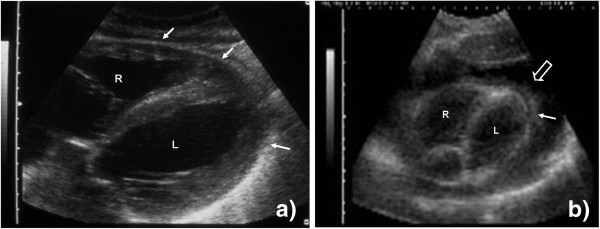
Diagnosis. A definite diagnosis requires tubercle bacilli in pericardial fluid or tissue by culture or nucleic acid amplification. A probable diagnosis rests on tuberculosis elsewhere, a lymphocytic exudate with elevated adenosine deaminase or unstimulated interferon-γ, or response to therapy in an endemic region (Adler 2015). Focused assessment with sonography for HIV-associated tuberculosis (FASH) adds pericardial and pleural effusion, ascites, abdominal lymphadenopathy, and splenic microabscesses to the clinical picture where other diagnostics are scarce (Heller 2012).
Antituberculous and antiretroviral therapy. Treatment is a standard 6-month four-drug regimen. In endemic regions, empiric therapy is recommended for an exudative effusion after other causes have been excluded (Class 1); in nonendemic regions, it is not recommended when systematic investigation fails to establish tuberculosis (Adler 2015). ART is given to all patients. Rifampin is a strong inducer of CYP3A4, P-glycoprotein, and UGT1A1: it is contraindicated with protease inhibitors and with bictegravir, and dolutegravir is given twice daily during rifampin therapy. Rifampin also lowers concentrations of direct oral anticoagulants, ticagrelor, statins metabolized by CYP3A4, and calcium channel blockers, and it makes warfarin dosing unstable.
Adjunctive corticosteroids. IMPI randomized 1,400 adults with tuberculous pericarditis, two-thirds with HIV, to prednisolone or placebo for 6 weeks and to Mycobacterium indicus pranii immunotherapy or placebo. Prednisolone did not reduce the composite of death, tamponade requiring pericardiocentesis, or constriction (23.8% versus 24.5%; HR 0.95), but it reduced constriction (4.4% versus 7.8%; HR 0.56) and hospitalization (20.7% versus 25.2%). Both prednisolone and the immunotherapy increased cancer (1.8% versus 0.6% with prednisolone), mainly HIV-associated cancers (Mayosi 2014). The ESC guideline therefore permits adjunctive corticosteroids in tuberculous pericarditis without HIV infection and advises avoiding them in patients with HIV (Class 2b, Level C) (Adler 2015). Management of tuberculous pericardial effusion and tamponade and of constriction after tuberculosis, including pericardiectomy, is the same as without HIV.
HIV-associated pulmonary arterial hypertension
HIV infection is an associated cause of group 1 pulmonary arterial hypertension (PAH), classified with connective tissue disease, portal hypertension, congenital heart disease, and schistosomiasis in the causes and associated forms of PAH. In a French prospective study of 7,648 adults with HIV, echocardiography in those with unexplained dyspnea followed by right heart catheterization gave a prevalence of 0.46% (95% CI 0.32%–0.64%), about the same as before combination ART (Sitbon 2008). PAH therefore affects roughly 1 in 200 people with HIV and has not been eliminated by viral suppression.
Pathogenesis. HIV does not infect pulmonary endothelial or smooth muscle cells. Viral proteins (Nef, Tat, and gp120), inflammatory cytokines, and endothelin-1 drive plexiform arteriopathy indistinguishable from idiopathic PAH. Cofactors are common: methamphetamine and cocaine use, portal hypertension from hepatitis B or C cirrhosis, and injection of insoluble particulate material.
Screening and diagnosis. The 2022 ESC/European Respiratory Society (ERS) guideline does not recommend screening asymptomatic people with HIV. In symptomatic patients with HIV, further tests (echocardiography, natriuretic peptide, pulmonary function testing, and cardiopulmonary exercise testing) should be considered to detect PAH (Class 2a), and HIV infection with an intermediate or high echocardiographic probability of pulmonary hypertension prompts referral to a pulmonary hypertension center (Humbert 2022). Unexplained exertional dyspnea, syncope, an increased P2 component, or right ventricular enlargement on echocardiography trigger the evaluation. Right heart catheterization confirms precapillary pulmonary hypertension (mean pulmonary artery pressure above 20 mm Hg, pulmonary artery wedge pressure 15 mm Hg or less, pulmonary vascular resistance above 2 Wood units), and chronic thromboembolic disease, left heart disease, lung disease, and portopulmonary hypertension are excluded. Most patients are in functional class III at diagnosis.
Prognosis. In a French cohort of patients diagnosed in the ART era, 81% were receiving ART and 79% had CD4 counts above 200 cells/µL at diagnosis, and 69% were in functional class III. Survival was 88% at 1 year and 72% at 3 years. A cardiac index above 2.8 L/min/m² and a CD4 count above 200 cells/µL independently predicted survival, and ART alone improved walk distance without improving hemodynamics (Degano 2010).
Treatment. ART is recommended for all patients with HIV-associated PAH regardless of CD4 count or viral load (Class 1). Patients are rarely vasoreactive, and calcium channel blockers are not used. Because of drug interactions and comorbidity, initial monotherapy followed by sequential combination therapy is advised (Class 2a), and anticoagulation is not recommended (Humbert 2022). PAH-specific drugs then follow the general risk-based algorithm, and HIV subgroup evidence, including the open-label BREATHE-4 bosentan study, informs therapy in specific forms of PAH.
PAH drug interactions with boosted antiretroviral regimens
Ritonavir and cobicistat inhibit CYP3A4, the main metabolic pathway of sildenafil, tadalafil, and macitentan and one of the two pathways of bosentan, and they raise riociguat exposure through combined inhibition of several CYP enzymes, P-glycoprotein, and breast cancer resistance protein (BCRP). Ritonavir also induces several enzymes over 1 to 2 weeks, so the net effect on some drugs changes after initiation. Efavirenz and etravirine induce CYP3A4 and lower exposure to the same drugs. Unboosted INSTIs, rilpivirine, and doravirine have no clinically important interactions with PAH therapy.
| PAH drug | With ritonavir- or cobicistat-boosted regimens | Labeled management |
|---|---|---|
| Bosentan | Bosentan exposure rises; bosentan induces CYP3A4 and CYP2C9 and can lower concentrations of antiretrovirals and other substrates | Patient on ritonavir for at least 10 days: start bosentan 62.5 mg once daily or on alternate days. Patient on bosentan: stop bosentan at least 36 hours before ritonavir; after at least 10 days of ritonavir, resume 62.5 mg once daily or on alternate days |
| Ambrisentan | Minor CYP3A4 metabolism; no labeled adjustment for strong CYP3A inhibitors | Standard dosing; dose limited to 5 mg only with cyclosporine |
| Macitentan | Strong CYP3A4 inhibitors about double macitentan exposure | Avoid; use other PAH treatment |
| Sildenafil (for PAH) | Large increase in sildenafil exposure | Contraindicated with ritonavir; not recommended with strong CYP3A inhibitors |
| Tadalafil (for PAH) | Inhibition first, then partial offset by induction after about 1 week | Patient on ritonavir for at least 1 week: start 20 mg once daily. Patient on tadalafil: stop at least 24 hours before ritonavir; resume 20 mg once daily after at least 1 week |
| Riociguat | Higher exposure with strong CYP and P-glycoprotein/BCRP inhibitors, including HIV protease inhibitors | Start 0.5 mg three times daily; titrate by blood pressure |
| Selexipag and oral treprostinil | Metabolized mainly by CYP2C8, with a minor CYP3A4 contribution; no labeled adjustment for CYP3A4 inhibitors | Standard dosing; selexipag is given once daily with moderate CYP2C8 inhibitors such as clopidogrel |
| Parenteral and inhaled prostacyclins | No CYP3A4 interaction | Standard dosing |
| Sotatercept | Biologic without cytochrome P450 metabolism | Standard dosing with hemoglobin and platelet monitoring |
Interactions of PAH therapy with boosted antiretroviral regimens, from US prescribing information for ritonavir, cobicistat-containing regimens, and the individual PAH drugs. Efavirenz and etravirine lower exposure to phosphodiesterase-5 (PDE5) inhibitors, endothelin receptor antagonists, and riociguat.
Ambrisentan, tadalafil by the labeled protocol, riociguat at a reduced starting dose, and prostacyclin pathway drugs are therefore the usual components of PAH therapy with a boosted regimen. When combination therapy requires macitentan or sildenafil, changing the antiretroviral regimen to an unboosted INSTI is the alternative, decided with the HIV clinician. The remaining drug interactions in PAH therapy, with rifampin, cyclosporine, gemfibrozil, and nitrates, apply to people with HIV as to others.
Endocarditis, nonbacterial thrombotic endocarditis, and cardiac tumors
Infective endocarditis. Endocarditis in people with HIV occurs mainly with injection drug use. In an urban US cohort, incidence fell from 20.5 to 6.6 per 1,000 person-years after combination ART became available. Most cases (85%) occurred in people who inject drugs, and injection drug use (adjusted odds ratio 8.71), a CD4 count below 50 cells/µL, and HIV RNA above 100,000 copies/mL raised the risk. Staphylococcus aureus caused 69% of cases. Within 1 year, 16% had recurrence and 52% died, and age over 40 years was associated with death (Gebo 2006). Diagnosis, antibiotic therapy, and surgical indications follow the general guidelines, including the management of right-sided endocarditis in people who inject drugs. Rifampin, used in prosthetic valve staphylococcal endocarditis, interacts with nearly all antiretroviral regimens.
Nonbacterial thrombotic (marantic) endocarditis. Sterile platelet-fibrin vegetations form on the mitral and aortic valves in advanced AIDS with wasting, malignancy, or a hypercoagulable state and present with systemic, including cerebral, embolism. Blood cultures are sterile, and the diagnosis is confirmed by transesophageal echocardiography after infective endocarditis is excluded. Treatment is anticoagulation and correction of the underlying condition.
Kaposi sarcoma and lymphoma. Cardiac Kaposi sarcoma, caused by human herpesvirus 8, involves the epicardium, the subepicardial fat, and the pericardium, almost always in disseminated disease with advanced immunodeficiency; it is usually an autopsy finding and occasionally causes a hemorrhagic effusion or tamponade. Non-Hodgkin lymphoma, usually diffuse large B-cell lymphoma, involves the heart secondarily or as primary cardiac lymphoma, infiltrating the right atrium and atrioventricular groove and causing effusion, heart block, and heart failure. In people with HIV, an infiltrating right-sided mass with effusion raises the possibility of lymphoma, and primary cardiac lymphoma carries a worse prognosis in this group.
Sudden cardiac death, ventricular arrhythmias, and QT prolongation
Sudden cardiac death. In the POST SCD study, which autopsied all presumed sudden cardiac deaths in San Francisco, the incidence of presumed sudden death was 53.3 per 100,000 person-years in people with HIV and 23.7 in those without (incidence rate ratio 2.25). After autopsy, one-third of the presumed sudden deaths in people with HIV were occult drug overdoses, compared with 13% in those without HIV. The rate of autopsy-confirmed arrhythmic death was 25.0 versus 13.3 per 100,000 person-years (incidence rate ratio 1.87, 95% CI 0.93–3.78). Interstitial myocardial fibrosis was more extensive in people with HIV (Tseng 2021). Sudden death in HIV therefore combines overdose, fibrosis-related arrhythmia, coronary disease, cardiomyopathy, and QT prolongation. ICD indications are those of the general guidelines: a person with suppressed viremia and a reasonable life expectancy is evaluated for primary and secondary prevention devices under the general framework of ventricular arrhythmia and sudden death.
QT and PR prolongation. QT prolongation in people with HIV usually results from combined QT-prolonging drugs and electrolyte loss. Antiretroviral contributors are efavirenz (QTc prolongation in labeling, greater in CYP2B6 slow metabolizers), rilpivirine and fostemsavir at supratherapeutic exposures, and the older boosted protease inhibitors saquinavir and lopinavir. Commonly coprescribed QT-prolonging drugs are methadone, macrolides and fluoroquinolones, azole antifungals, pentamidine, bedaquiline and clofazimine for drug-resistant tuberculosis, antiemetics, and antipsychotics. Hypokalemia and hypomagnesemia from diarrhea, and hepatic or kidney impairment, add risk. Boosters also raise concentrations of QT-prolonging CYP3A4 substrates. Atazanavir, lopinavir-ritonavir, saquinavir-ritonavir, and ritonavir itself prolong the PR interval, and first-degree atrioventricular block in a patient on these drugs is a drug effect until proved otherwise. Risk scoring, thresholds, and monitoring follow the drug interactions and pharmacokinetic risk in QT prolongation.
Autonomic dysfunction. HIV-associated autonomic neuropathy, part of the spectrum of HIV sensory neuropathy and more frequent with advanced disease and older neurotoxic NRTIs, causes resting tachycardia, reduced heart rate variability, orthostatic hypotension, and syncope. It is one of the neurogenic causes of orthostatic hypotension and is evaluated and treated in the same way.
Atrial fibrillation and anticoagulation with antiretroviral therapy
In a cohort of more than 30,000 veterans with HIV followed for a median of 6.8 years, 2.6% developed atrial fibrillation or flutter. A CD4 count below 200 cells/µL (HR 1.4 compared with more than 350 cells/µL) and HIV RNA above 100,000 copies/mL (HR 1.7 compared with less than 500 copies/mL) were independently associated with incident atrial fibrillation, as were older age, White race, coronary disease, heart failure, alcohol use disorder, proteinuria, reduced kidney function, and hypothyroidism (Hsu 2013). Stroke risk scoring, rhythm strategy, and ablation follow the general guideline.
Anticoagulant choice is determined by the regimen. With ritonavir- or cobicistat-boosted regimens, apixaban 5 or 10 mg twice daily is reduced by 50% and apixaban 2.5 mg twice daily is avoided. Rivaroxaban is avoided, and dabigatran and edoxaban are dosed by their own labeling for P-glycoprotein inhibitors, which considers kidney function. Ritonavir induces CYP2C9 and glucuronidation over time, so warfarin requirements change after it is started or stopped, and ritonavir labeling recommends frequent initial INR monitoring. Efavirenz and etravirine alter warfarin metabolism in both directions and are predicted to lower apixaban and rivaroxaban exposure through CYP3A4 induction; edoxaban is not affected. Unboosted INSTIs, rilpivirine, and doravirine have no clinically important interactions with direct oral anticoagulants or warfarin. Rate control with diltiazem or verapamil requires dose reduction with boosters. Rhythm control with antiarrhythmic drugs is limited by the labeled contraindications of ritonavir, cobicistat, dolutegravir, and bictegravir, which gives catheter ablation a larger role. The labeled adjustments follow the drug interactions of direct oral anticoagulants through P-glycoprotein and CYP3A4.
Stroke, peripheral artery disease, aneurysm, and venous thromboembolism
Stroke. In a US health care system cohort, ischemic stroke incidence was 5.27 per 1,000 person-years in people with HIV and 3.75 in those without, and HIV remained an independent predictor after adjustment for stroke risk factors (HR 1.21). The relative excess was largest in young adults (incidence rate ratio 4.42 at 18 to 29 years and 2.96 at 30 to 39 years) and in women (HR 2.16 versus 1.18 in men), and higher HIV RNA was associated with stroke (Chow 2012). Mechanisms include large- and small-artery atherosclerosis; cardioembolism from cardiomyopathy, endocarditis, or nonbacterial thrombotic endocarditis; infectious vasculopathy from varicella-zoster virus, syphilis, or tuberculous or cryptococcal meningitis; HIV-associated cerebral vasculopathy; and stimulant use. The secondary prevention regimen faces the same antiplatelet and statin interactions as coronary disease.
Peripheral artery disease. Among 91,953 veterans followed for a median of 9 years, incident peripheral artery disease occurred at 11.9 per 1,000 person-years with HIV and 9.9 without (adjusted HR 1.19). The risk was highest with a time-updated viral load above 500 copies/mL (HR 1.51) and a CD4 count below 200 cells/µL (HR 1.91), and veterans with sustained CD4 counts of 500 cells/µL or more had no excess risk. HIV did not change amputation rates, and mortality after a peripheral artery disease event was high regardless of HIV status (Beckman 2018). Cilostazol is a CYP3A4 substrate, and its dose is reduced to 50 mg twice daily with strong CYP3A4 inhibitors. Peripheral artery disease is otherwise evaluated and treated as in people without HIV.
Aneurysm and HIV-associated vasculopathy. A large-vessel vasculopathy of young adults with advanced HIV, described mainly in sub-Saharan Africa, produces saccular and fusiform aneurysms of the carotid, femoral, popliteal, and aortic territories, and occlusive disease, from inflammation of the vasa vasorum with medial destruction. Mycotic aneurysms occur with injection drug use and bacteremia, and syphilitic aortitis is a consideration with syphilis coinfection. Large-vessel vasculitis and infectious aortitis are evaluated by CT angiography or MR angiography, blood cultures, and treponemal serology.
Venous thromboembolism. In a Danish nationwide cohort, the 5-year risk of venous thromboembolism was 8.0% in people with HIV who injected drugs, 1.5% in those who did not, and 0.3% in the general population. In people with HIV who did not inject drugs, the adjusted incidence rate ratio was 3.42 for unprovoked and 5.51 for provoked events, and ART was associated with higher overall risk (incidence rate ratio 1.93) (Rasmussen 2011). Contributors are inflammation and coagulation activation (elevated D-dimer), acquired protein S deficiency, antiphospholipid antibodies, opportunistic infection, malignancy, central venous catheters, and immobility. Treatment and duration follow the general guideline, and anticoagulation for pulmonary embolism uses an agent compatible with the antiretroviral regimen.
Cardiovascular drug interactions with antiretroviral therapy
Three mechanisms account for nearly all clinically important interactions between antiretroviral and cardiovascular drugs. The pharmacokinetic boosters ritonavir and cobicistat are strong inhibitors of CYP3A4 and inhibit P-glycoprotein and hepatic uptake transporters, so they raise exposure to all cardiovascular drugs cleared by these pathways. Ritonavir also induces CYP2C9 and glucuronidation over 1 to 2 weeks, which lowers warfarin and some other drugs once induction is established. The NNRTIs efavirenz and etravirine induce CYP3A4 and lower exposure to the same substrates. Dolutegravir and bictegravir inhibit the renal transporters OCT2 and MATE1, which raises dofetilide and metformin and raises serum creatinine without changing glomerular filtration. Lenacapavir is a moderate CYP3A inhibitor and P-glycoprotein inhibitor. These effects follow the general pharmacology of cytochrome P450 enzymes and drug transporters in cardiovascular prescribing.
| Cardiovascular drug class | Ritonavir- or cobicistat-boosted regimens | Efavirenz or etravirine (inducers) | Unboosted INSTI, rilpivirine, or doravirine |
|---|---|---|---|
| Statins | Simvastatin and lovastatin contraindicated; atorvastatin and rosuvastatin dose-limited; pitavastatin and pravastatin simplest | Simvastatin and atorvastatin exposure falls | No clinically important interaction |
| P2Y12 inhibitors | Ticagrelor avoided; clopidogrel activation reduced and not recommended with darunavir-cobicistat; prasugrel without dose change | Ticagrelor exposure falls with CYP3A4 induction | No clinically important interaction |
| Direct oral anticoagulants | Apixaban reduced by 50% (avoided if already 2.5 mg twice daily); rivaroxaban avoided; dabigatran and edoxaban by their labeling | Apixaban and rivaroxaban exposure is predicted to fall through CYP3A4 induction; their labels give dosing advice only for combined P-gp and strong CYP3A4 inducers such as rifampin. Edoxaban is not affected. Dabigatran is not affected by efavirenz and may rise with etravirine. | No clinically important interaction |
| Warfarin | INR may rise or fall, with a fall as CYP2C9 induction develops; frequent initial INR monitoring | INR may rise or fall | No clinically important interaction |
| Antiarrhythmic drugs | Ritonavir: amiodarone, dronedarone, flecainide, propafenone, and quinidine contraindicated. Cobicistat: dronedarone contraindicated, others monitored | Lower exposure to CYP3A4 substrates such as amiodarone and dronedarone | Dofetilide contraindicated with dolutegravir and bictegravir |
| Ranolazine and ivabradine | Contraindicated | Ranolazine contraindicated with CYP3A inducers; ivabradine avoided | No clinically important interaction |
| Eplerenone and finerenone | Contraindicated; spironolactone used | Lower exposure | No clinically important interaction |
| Calcium channel blockers | Higher concentrations of dihydropyridines, diltiazem, and verapamil; low starting doses; additive PR prolongation | Lower exposure | No clinically important interaction |
| Digoxin | Higher concentrations through P-glycoprotein inhibition; level-guided dosing | No clinically important interaction | No clinically important interaction |
| Colchicine | Colchicine 0.5 mg for coronary disease contraindicated; for other indications, contraindicated with kidney or liver impairment and dose reduced otherwise | Lower exposure | No clinically important interaction |
| Cilostazol | 50 mg twice daily | Lower exposure | No clinically important interaction |
| PAH drugs | Macitentan and sildenafil avoided; bosentan and tadalafil by labeled protocols; riociguat started at 0.5 mg | Lower exposure to PDE5 inhibitors and endothelin receptor antagonists | No clinically important interaction |
| Inhaled corticosteroids and salmeterol | Fluticasone, budesonide, mometasone, and triamcinolone cause Cushing syndrome and adrenal suppression; beclomethasone is the alternative; salmeterol not recommended | No clinically important interaction | No clinically important interaction |
| Metformin | No clinically important interaction | No clinically important interaction | Exposure rises with dolutegravir and bictegravir |
| Angiotensin-converting enzyme inhibitors, angiotensin receptor blockers, sacubitril-valsartan, SGLT2 inhibitors, diuretics, ezetimibe, PCSK9 antibodies | No clinically important interaction | No clinically important interaction | No clinically important interaction |
Summary of cardiovascular drug interactions by antiretroviral class, from US prescribing information for ritonavir, cobicistat, darunavir-cobicistat, dolutegravir, bictegravir, lenacapavir, rilpivirine, efavirenz, and the cardiovascular drugs, from the HHS statin tables (Beavers 2025), and from the University of Liverpool HIV drug interaction charts. Nirmatrelvir-ritonavir for COVID-19 produces the same booster interactions for its 5-day course and several days afterward. INSTI, integrase strand transfer inhibitor; PAH, pulmonary arterial hypertension.
Hepatitis C antivirals and nirmatrelvir-ritonavir add further interactions with antiviral drugs. Any change in the antiretroviral regimen, including a switch between boosted and unboosted therapy, is a change in cardiovascular drug exposure: doses of statins, anticoagulants, antiarrhythmic drugs, and calcium channel blockers are reviewed at any switch.
Chronic kidney disease in people with HIV
Chronic kidney disease in people with HIV arises from HIV-associated nephropathy, a collapsing glomerulopathy seen mainly in people of African ancestry with two apolipoprotein L1 (APOL1) risk variants and uncontrolled viremia; from tenofovir disoproxil fumarate proximal tubulopathy; from diabetic and hypertensive nephropathy; from hepatitis B and C; and from injection drug use. Chronic kidney disease magnifies cardiovascular risk, and stage 3 or 4 disease is itself a direct statin indication in adults aged 40 to 75 years in the 2026 guideline (Blumenthal 2026).
Serum creatinine overstates kidney dysfunction in patients taking dolutegravir, bictegravir, rilpivirine, or cobicistat, which inhibit tubular creatinine secretion and raise creatinine by about 0.1 to 0.15 mg/dL without changing glomerular filtration. A creatinine rise of this size soon after starting these drugs is expected; a larger or progressive rise, proteinuria, or glycosuria indicates true injury. Cystatin C–based estimates avoid the artifact and are used when drug dosing near a threshold, such as for direct oral anticoagulants, depends on the estimate.
Pulmonary disease and COPD in people with HIV
COPD is one of the most common non-AIDS comorbidities. In the Veterans Aging Cohort, incident COPD, lung cancer, pulmonary hypertension, and pulmonary fibrosis were all more frequent with HIV after adjustment. Bacterial pneumonia and COPD were the two most common incident pulmonary diseases, and the relative excess was greatest in younger people. COPD was less likely in those with lower HIV RNA and those receiving ART at baseline (Crothers 2011). Smoking accounts for much of the burden, but HIV-related inflammation, recurrent pneumonia, and injection or inhaled drug use contribute independently.
COPD shares risk factors and inflammation with atherosclerosis, raises cardiovascular events, and complicates the interpretation of dyspnea, which may come from COPD, heart failure, PAH, or coronary disease. COPD therapy interacts with boosters. Ritonavir raised fluticasone exposure about 350-fold in a nasal spray study, and coadministration with fluticasone, budesonide, mometasone, triamcinolone, and other CYP3A4-dependent corticosteroids causes Cushing syndrome and adrenal suppression; beclomethasone is the inhaled corticosteroid with the least interaction. Salmeterol is not recommended with ritonavir because higher exposure prolongs the QT interval and causes palpitations and sinus tachycardia. Cardioselective beta-blockers are used in patients with COPD and a cardiac indication.
Women, racial disparities, and social determinants of health
HIV raises cardiovascular risk more in women than in men in relative terms. In the Partners registry, the adjusted relative risk of myocardial infarction with HIV was 2.98 in women and 1.40 in men (Triant 2007), and the relative increase in ischemic stroke was larger in women (HR 2.16) than in men (HR 1.18) (Chow 2012). Women made up 31% of REPRIEVE participants, and the PCE underestimated risk in women from high-income countries (Zanni 2026). Women gain more weight than men after starting integrase inhibitor–based regimens (Venter 2019); the general approach to cardiovascular disease in women applies with these features added. Statin initiation is deferred until after pregnancy in people at low to intermediate risk, and statins are stopped if pregnancy occurs (Beavers 2025).
Black people with HIV carry a disproportionate share of HIV-related cardiovascular disease in the United States. In the CNICS cohort, myocardial infarction rates were 6.9 per 1,000 person-years in Black men and 7.2 in Black women, compared with 4.4 in White men and 3.3 in White women (Feinstein 2017), and the PCE underestimated risk in Black men in REPRIEVE (Zanni 2026). Poverty, homelessness, incarceration, lower education, substance use, and depression are associated with smoking and failure to suppress viremia (Mdodo 2015). Prevention therefore depends as much on access, retention in care, and medication coverage as on drug selection.
Aging, frailty, and multimorbidity in people with HIV
Frailty, defined by weight loss, exhaustion, weakness, slow gait, and low activity, appears earlier with HIV. In the AGEhIV cohort of middle-aged adults, frailty was present in 10.6% of people with HIV and 2.7% of controls, and prefrailty in 50.7% and 36.3%. HIV remained independently associated with prefrailty or frailty after adjustment for age, smoking, hepatitis C, comorbidity, and depression (adjusted odds ratio 2.16), and low current or nadir body mass index was a strong correlate (Kooij 2016). Multimorbidity (coronary disease, diabetes, chronic kidney disease, COPD, osteoporosis, neurocognitive impairment, and cancer) accumulates with age, and polypharmacy follows.
Frailty affects candidacy and outcomes for revascularization, transcatheter valve replacement, LVAD implantation, and transplantation in people with HIV as in others, and it is measured with the same tools. Polypharmacy multiplies booster interactions. New prescriptions, including over-the-counter and herbal products, are checked against the regimen, and St. John's wort is contraindicated with most antiretrovirals. The frailty assessment in older adults and polypharmacy and deprescribing frameworks apply to people with HIV, often from the sixth decade.
HIV and the heart in sub-Saharan Africa and low-resource settings
Most people with HIV live in sub-Saharan Africa, which bears the largest share of HIV-associated cardiovascular disability-adjusted life-years (Shah 2018). The cardiac spectrum there differs from that in high-income countries. Tuberculous pericarditis is the leading cause of pericardial effusion and constriction. HIV-associated cardiomyopathy and peripartum cardiomyopathy are common causes of heart failure in young adults, and rheumatic heart disease coexists. Hypertension and diabetes increase as treated populations age and gain weight on dolutegravir-based first-line regimens (Venter 2019; Feinstein 2019). Echocardiography, natriuretic peptides, and right heart catheterization have limited availability; focused bedside ultrasound protocols such as FASH extend tuberculosis and effusion diagnosis to district hospitals (Heller 2012). REPRIEVE enrolled participants in low- and middle-income countries as well as high-income countries, and its results support statin use globally where statins are available (Grinspoon 2023).
Integrated HIV and cardiovascular care and echocardiographic screening
Cardiovascular prevention in people with HIV is delivered largely by HIV clinicians, with cardiology involvement for established disease, complex interactions, and imaging. The 2019 AHA statement emphasizes collaborative care that integrates risk-factor management into HIV care, because people with HIV are seen regularly in HIV clinics but are undertreated for hypertension, dyslipidemia, and smoking (Feinstein 2019). Routine echocardiographic screening of asymptomatic people with HIV is not recommended; echocardiography is performed for symptoms, an abnormal examination, an abnormal ECG, or an elevated natriuretic peptide, and in symptomatic patients evaluated for PAH (Humbert 2022).
| Clinical situation | Cardiovascular assessment |
|---|---|
| Entry into HIV care and before ART selection | Blood pressure, lipid panel, glucose or hemoglobin A1c, kidney function and urine protein, smoking and substance use history, family history, ECG when cardiac symptoms or QT-prolonging drugs are present; HLA-B*5701 before abacavir |
| Adults aged 40 to 75 years on stable ART | Statin therapy without a risk calculation; PREVENT estimate and, when it changes intensity or goals, coronary artery calcium; drug and dose chosen for the regimen |
| Adults younger than 40 or older than 75 years | PREVENT risk personalized by CD4 nadir, viremia history, abacavir and protease inhibitor exposure, hepatitis C, and substance use |
| Any new cardiovascular prescription | Interaction check against the full regimen, including boosters and over-the-counter products |
| Any change in antiretroviral regimen | Review of statin, anticoagulant, antiarrhythmic, calcium channel blocker, and PAH drug doses; repeat lipid panel after a switch to TAF or to and from a booster |
| Dyspnea, edema, syncope, or palpitations | ECG, natriuretic peptide, and echocardiography; assessment for PAH, cardiomyopathy, pericardial effusion, and coronary disease |
| Chest pain | Standard chest pain pathway; troponin interpreted with the primary, secondary, and procedure-related MI categories; stimulant history |
Cardiovascular assessment in adults with HIV, assembled from the 2026 ACC/AHA dyslipidemia guideline, the HHS panel recommendations, the 2019 AHA scientific statement, and the 2022 ESC/ERS pulmonary hypertension guideline.
Errors in the cardiovascular care of people with HIV
- Statin therapy withheld from an adult aged 40 to 75 years with HIV because the PREVENT or PCE estimate is low or the calcium score is 0: HIV on stable ART is a direct indication, risk equations underestimate risk, and noncalcified plaque is common at a calcium score of 0.
- Simvastatin or lovastatin continued after a boosted protease inhibitor or cobicistat-containing regimen is started, including a 5-day course of nirmatrelvir-ritonavir.
- Ticagrelor or clopidogrel given after PCI to a patient taking darunavir-cobicistat: ticagrelor exposure rises, clopidogrel activation falls, and prasugrel or a switch to an unboosted regimen avoids both.
- Rivaroxaban or full-dose apixaban prescribed for atrial fibrillation in a patient on a boosted regimen.
- Eplerenone, ivabradine, ranolazine, amiodarone, or dronedarone prescribed with ritonavir, and dofetilide prescribed with dolutegravir or bictegravir.
- Sildenafil or macitentan started for HIV-associated PAH in a patient taking a boosted regimen, or bosentan started without the labeled ritonavir protocol.
- A rise in serum creatinine of about 0.1 mg/dL after starting dolutegravir, bictegravir, rilpivirine, or cobicistat interpreted as kidney injury, leading to unnecessary dose reduction of a direct oral anticoagulant.
- All troponin rises in a person with HIV treated as primary MI: in a US multicenter cohort, about half of adjudicated MIs were type 2, most often from sepsis or bacteremia or from recent cocaine or other illicit drug use (Crane 2017). The Fifth Universal Definition requires imaging evidence for secondary MI.
- A small pericardial effusion in a patient with untreated HIV and fever attributed to HIV itself without excluding tuberculosis, and adjunctive prednisolone given for tuberculous pericarditis in a patient with HIV.
- Antiretroviral therapy interrupted to reduce lipid or metabolic effects: CD4-guided interruption increased cardiovascular, renal, and hepatic events in SMART.
- Fluticasone or budesonide prescribed for COPD with a ritonavir-boosted regimen, producing Cushing syndrome and adrenal suppression.
- Presumed sudden cardiac death in a person with HIV accepted as arrhythmic without toxicology: one-third were occult overdoses in POST SCD.
References
- Feinstein MJ, Hsue PY, Benjamin LA, et al. Characteristics, prevention, and management of cardiovascular disease in people living with HIV: a scientific statement from the American Heart Association. Circulation. 2019;140:e98–e124. doi:10.1161/CIR.0000000000000695
- Panel on Antiretroviral Guidelines for Adults and Adolescents. Guidelines for the use of antiretroviral agents in adults and adolescents with HIV: cardiovascular and metabolic complications in people with HIV. US Department of Health and Human Services. clinicalinfo.hiv.gov
- Blumenthal RS, Morris PB, Gaudino M, et al. 2026 ACC/AHA/AACVPR/ABC/ACPM/ADA/AGS/APhA/ASPC/NLA/PCNA guideline on the management of dyslipidemia: a report of the American College of Cardiology/American Heart Association Joint Committee on Clinical Practice Guidelines. J Am Coll Cardiol. 2026;87:2624–2757. doi:10.1016/j.jacc.2025.11.016
- Beavers C, Pau AK, Glidden D, et al. Statin therapy as primary prevention for persons with HIV: a synopsis of recommendations from the U.S. Department of Health and Human Services Antiretroviral Treatment Guidelines Panel. Ann Intern Med. 2025;178:847–857. doi:10.7326/ANNALS-24-03564
- Grinspoon SK, Fitch KV, Zanni MV, et al. Pitavastatin to prevent cardiovascular disease in HIV infection (REPRIEVE randomized trial). N Engl J Med. 2023;389:687–699. doi:10.1056/NEJMoa2304146
- Lu MT, Ribaudo H, Foldyna B, et al. Effects of pitavastatin on coronary artery disease and inflammatory biomarkers in HIV: mechanistic substudy of the REPRIEVE randomized clinical trial. JAMA Cardiol. 2024;9:323–334. doi:10.1001/jamacardio.2023.5661
- Zanni MV, Lu MT, Chu SM, Ribaudo HJ, Douglas PS, Grinspoon SK. Primary prevention for people living with HIV: a call to action. J Am Coll Cardiol. 2026;87:2580–2583. doi:10.1016/j.jacc.2026.03.063
- Fichtenbaum CJ, Malvestutto CD, Watanabe MG, et al. Effects of antiretrovirals on major adverse cardiovascular events in the REPRIEVE trial: a longitudinal cohort analysis. Lancet HIV. 2025;12:e496–e505. doi:10.1016/S2352-3018(25)00043-8
- Shah ASV, Stelzle D, Lee KK, et al. Global burden of atherosclerotic cardiovascular disease in people living with HIV: systematic review and meta-analysis. Circulation. 2018;138:1100–1112. doi:10.1161/CIRCULATIONAHA.117.033369
- Freiberg MS, Chang CC, Kuller LH, et al. HIV infection and the risk of acute myocardial infarction. JAMA Intern Med. 2013;173:614–622. doi:10.1001/jamainternmed.2013.3728
- Triant VA, Lee H, Hadigan C, Grinspoon SK. Increased acute myocardial infarction rates and cardiovascular risk factors among patients with human immunodeficiency virus disease. J Clin Endocrinol Metab. 2007;92:2506–2512. doi:10.1210/jc.2006-2190
- Kuller LH, Tracy R, Belloso W, et al. Inflammatory and coagulation biomarkers and mortality in patients with HIV infection. PLoS Med. 2008;5:e203. doi:10.1371/journal.pmed.0050203
- Strategies for Management of Antiretroviral Therapy (SMART) Study Group; El-Sadr WM, Lundgren J, Neaton JD, et al. CD4+ count-guided interruption of antiretroviral treatment. N Engl J Med. 2006;355:2283–2296. doi:10.1056/NEJMoa062360
- Phillips AN, Carr A, Neuhaus J, et al. Interruption of antiretroviral therapy and risk of cardiovascular disease in persons with HIV-1 infection: exploratory analyses from the SMART trial. Antivir Ther. 2008;13:177–187. doi:10.1177/135965350801300215
- INSIGHT START Study Group; Lundgren JD, Babiker AG, Gordin F, et al. Initiation of antiretroviral therapy in early asymptomatic HIV infection. N Engl J Med. 2015;373:795–807. doi:10.1056/NEJMoa1506816
- D:A:D Study Group; Sabin CA, Worm SW, Weber R, et al. Use of nucleoside reverse transcriptase inhibitors and risk of myocardial infarction in HIV-infected patients enrolled in the D:A:D study: a multi-cohort collaboration. Lancet. 2008;371:1417–1426. doi:10.1016/S0140-6736(08)60423-7
- Ryom L, Lundgren JD, El-Sadr W, et al. Cardiovascular disease and use of contemporary protease inhibitors: the D:A:D international prospective multicohort study. Lancet HIV. 2018;5:e291–e300. doi:10.1016/S2352-3018(18)30043-2
- Venter WDF, Moorhouse M, Sokhela S, et al. Dolutegravir plus two different prodrugs of tenofovir to treat HIV. N Engl J Med. 2019;381:803–815. doi:10.1056/NEJMoa1902824
- Kileel EM, Malvestutto CD, Zanni MV, et al. Risk of obesity, diabetes, hypertension, and major adverse cardiovascular events after a switch to an integrase inhibitor: a target trial emulation in REPRIEVE. Lancet HIV. 2026;13:e306–e315. doi:10.1016/S2352-3018(25)00354-6
- Triant VA, Perez J, Regan S, et al. Cardiovascular risk prediction functions underestimate risk in HIV infection. Circulation. 2018;137:2203–2214. doi:10.1161/CIRCULATIONAHA.117.028975
- Feinstein MJ, Nance RM, Drozd DR, et al. Assessing and refining myocardial infarction risk estimation among patients with human immunodeficiency virus: a study by the Centers for AIDS Research Network of Integrated Clinical Systems. JAMA Cardiol. 2017;2:155–162. doi:10.1001/jamacardio.2016.4494
- Post WS, Budoff M, Kingsley L, et al. Associations between HIV infection and subclinical coronary atherosclerosis. Ann Intern Med. 2014;160:458–467. doi:10.7326/M13-1754
- Mdodo R, Frazier EL, Dube SR, et al. Cigarette smoking prevalence among adults with HIV compared with the general adult population in the United States: cross-sectional surveys. Ann Intern Med. 2015;162:335–344. doi:10.7326/M14-0954
- Helleberg M, Afzal S, Kronborg G, et al. Mortality attributable to smoking among HIV-1-infected individuals: a nationwide, population-based cohort study. Clin Infect Dis. 2013;56:727–734. doi:10.1093/cid/cis933
- Xu Y, Chen X, Wang K. Global prevalence of hypertension among people living with HIV: a systematic review and meta-analysis. J Am Soc Hypertens. 2017;11:530–540. doi:10.1016/j.jash.2017.06.004
- Crane HM, Paramsothy P, Drozd DR, et al. Types of myocardial infarction among human immunodeficiency virus-infected individuals in the United States. JAMA Cardiol. 2017;2:260–267. doi:10.1001/jamacardio.2016.5139
- Mills NL, Newby LK, Zaman S, et al. Fifth universal definition of myocardial infarction (2026). J Am Coll Cardiol. 2026;88:1314–1368. doi:10.1016/j.jacc.2026.07.025
- Haji M, Capilupi M, Kwok M, et al. Clinical outcomes after acute coronary syndromes or revascularization among people living with HIV: a systematic review and meta-analysis. JAMA Netw Open. 2024;7:e2411159. doi:10.1001/jamanetworkopen.2024.11159
- Marsousi N, Daali Y, Fontana P, et al. Impact of boosted antiretroviral therapy on the pharmacokinetics and efficacy of clopidogrel and prasugrel active metabolites. Clin Pharmacokinet. 2018;57:1347–1354. doi:10.1007/s40262-018-0637-6
- Robich MP, Schiltz N, Johnston DR, et al. Outcomes of patients with human immunodeficiency virus infection undergoing cardiovascular surgery in the United States. J Thorac Cardiovasc Surg. 2014;148:3066–3073. doi:10.1016/j.jtcvs.2014.07.074
- Virani SS, Newby LK, Arnold SV, et al. 2023 AHA/ACC/ACCP/ASPC/NLA/PCNA guideline for the management of patients with chronic coronary disease: a report of the American Heart Association/American College of Cardiology Joint Committee on Clinical Practice Guidelines. Circulation. 2023;148:e9–e119. doi:10.1161/CIR.0000000000001168
- Freiberg MS, Chang CH, Skanderson M, et al. Association between HIV infection and the risk of heart failure with reduced ejection fraction and preserved ejection fraction in the antiretroviral therapy era: results from the Veterans Aging Cohort Study. JAMA Cardiol. 2017;2:536–546. doi:10.1001/jamacardio.2017.0264
- Holloway CJ, Ntusi N, Suttie J, et al. Comprehensive cardiac magnetic resonance imaging and spectroscopy reveal a high burden of myocardial disease in HIV patients. Circulation. 2013;128:814–822. doi:10.1161/CIRCULATIONAHA.113.001719
- Ntusi N, O'Dwyer E, Dorrell L, et al. HIV-1-related cardiovascular disease is associated with chronic inflammation, frequent pericardial effusions, and probable myocardial edema. Circ Cardiovasc Imaging. 2016;9:e004430. doi:10.1161/CIRCIMAGING.115.004430
- Tseng ZH, Moffatt E, Kim A, et al. Sudden cardiac death and myocardial fibrosis, determined by autopsy, in persons with HIV. N Engl J Med. 2021;384:2306–2316. doi:10.1056/NEJMoa1914279
- Hsu JC, Li Y, Marcus GM, et al. Atrial fibrillation and atrial flutter in human immunodeficiency virus-infected persons: incidence, risk factors, and association with markers of HIV disease severity. J Am Coll Cardiol. 2013;61:2288–2295. doi:10.1016/j.jacc.2013.03.022
- Chow FC, Regan S, Feske S, Meigs JB, Grinspoon SK, Triant VA. Comparison of ischemic stroke incidence in HIV-infected and non-HIV-infected patients in a US health care system. J Acquir Immune Defic Syndr. 2012;60:351–358. doi:10.1097/QAI.0b013e31825c7f24
- Beckman JA, Duncan MS, Alcorn CW, et al. Association of human immunodeficiency virus infection and risk of peripheral artery disease. Circulation. 2018;138:255–265. doi:10.1161/CIRCULATIONAHA.117.032647
- Rasmussen LD, Dybdal M, Gerstoft J, et al. HIV and risk of venous thromboembolism: a Danish nationwide population-based cohort study. HIV Med. 2011;12:202–210. doi:10.1111/j.1468-1293.2010.00869.x
- Heidenreich PA, Eisenberg MJ, Kee LL, et al. Pericardial effusion in AIDS: incidence and survival. Circulation. 1995;92:3229–3234. doi:10.1161/01.cir.92.11.3229
- Mayosi BM, Ntsekhe M, Bosch J, et al. Prednisolone and Mycobacterium indicus pranii in tuberculous pericarditis. N Engl J Med. 2014;371:1121–1130. doi:10.1056/NEJMoa1407380
- Gumedze F, Pandie S, Nachega JB, et al. The impact of HIV co-infection on presentation and outcome in adults with tuberculous pericarditis: findings from the IMPI trial. S Afr Med J. 2023;113:1109–1115. doi:10.7196/SAMJ.2023.v113i3b.16830
- Adler Y, Charron P, Imazio M, et al. 2015 ESC guidelines for the diagnosis and management of pericardial diseases. Eur Heart J. 2015;36:2921–2964. doi:10.1093/eurheartj/ehv318
- Heller T, Wallrauch C, Goblirsch S, Brunetti E. Focused assessment with sonography for HIV-associated tuberculosis (FASH): a short protocol and a pictorial review. Crit Ultrasound J. 2012;4:21. doi:10.1186/2036-7902-4-21
- Sitbon O, Lascoux-Combe C, Delfraissy JF, et al. Prevalence of HIV-related pulmonary arterial hypertension in the current antiretroviral therapy era. Am J Respir Crit Care Med. 2008;177:108–113. doi:10.1164/rccm.200704-541OC
- Degano B, Guillaume M, Savale L, et al. HIV-associated pulmonary arterial hypertension: survival and prognostic factors in the modern therapeutic era. AIDS. 2010;24:67–75. doi:10.1097/QAD.0b013e328331c65e
- Humbert M, Kovacs G, Hoeper MM, et al. 2022 ESC/ERS guidelines for the diagnosis and treatment of pulmonary hypertension. Eur Heart J. 2022;43:3618–3731. doi:10.1093/eurheartj/ehac237
- Gebo KA, Burkey MD, Lucas GM, Moore RD, Wilson LE. Incidence of, risk factors for, clinical presentation, and 1-year outcomes of infective endocarditis in an urban HIV cohort. J Acquir Immune Defic Syndr. 2006;43:426–432. doi:10.1097/01.qai.0000243120.67529.78
- Hsue PY, Ribaudo HJ, Deeks SG, et al. Safety and impact of low-dose methotrexate on endothelial function and inflammation in individuals with treated human immunodeficiency virus: AIDS Clinical Trials Group Study A5314. Clin Infect Dis. 2019;68:1877–1886. doi:10.1093/cid/ciy781
- Hays AG, Schär M, Barditch-Crovo P, et al. A randomized, placebo-controlled, double-blinded clinical trial of colchicine to improve vascular health in people living with HIV. AIDS. 2021;35:1041–1050. doi:10.1097/QAD.0000000000002845
- Crothers K, Huang L, Goulet JL, et al. HIV infection and risk for incident pulmonary diseases in the combination antiretroviral therapy era. Am J Respir Crit Care Med. 2011;183:388–395. doi:10.1164/rccm.201006-0836OC
- Kooij KW, Wit FW, Schouten J, et al. HIV infection is independently associated with frailty in middle-aged HIV type 1-infected individuals compared with similar but uninfected controls. AIDS. 2016;30:241–250. doi:10.1097/QAD.0000000000000910
- Durand CM, Massie A, Florman S, et al. Safety of kidney transplantation from donors with HIV. N Engl J Med. 2024;391:1390–1401. doi:10.1056/NEJMoa2403733
- US Department of Health and Human Services. Organ procurement and transplantation: implementation of the HIV Organ Policy Equity (HOPE) Act. Final rule. Fed Regist. 2024;89:93484. federalregister.gov
- Liang T, Nauroz Z, Bowring MG, et al. Trends, center level practice, and outcomes of heart transplantation in people with HIV. JHLT Open. 2026;13:100576. doi:10.1016/j.jhlto.2026.100576
- Mach F, Koskinas KC, Roeters van Lennep JE, et al. 2025 focused update of the 2019 ESC/EAS guidelines for the management of dyslipidaemias. Eur Heart J. 2025;46:4359–4378. doi:10.1093/eurheartj/ehaf190
- Hsue PY, Li D, Ma Y, et al. IL-1β inhibition reduces atherosclerotic inflammation in HIV infection. J Am Coll Cardiol. 2018;72:2809–2811. doi:10.1016/j.jacc.2018.09.038
- Peled Y, Ducharme A, Kittleson M, et al. International Society for Heart and Lung Transplantation guidelines for the evaluation and care of cardiac transplant candidates—2024. J Heart Lung Transplant. 2024;43:1529–1628.e54. doi:10.1016/j.healun.2024.05.010
- Panel on Antiretroviral Guidelines for Adults and Adolescents. Update on statin therapy as primary prevention of atherosclerotic cardiovascular disease in people with HIV. US Department of Health and Human Services. clinicalinfo.hiv.gov
- Liverpool Drug Interactions Group. HIV drug interactions: anticoagulants and antiplatelets interaction chart. University of Liverpool. www.hiv-druginteractions.org
- Sovaldi (sofosbuvir) tablets and oral pellets. US prescribing information. Gilead Sciences, Inc. DailyMed, current label accessed November 17, 2026. DailyMed
- MacInnes A, Lazzarin A, Di Perri G, et al. Maraviroc can improve lipid profiles in dyslipidemic patients with HIV: results from the MERIT trial. HIV Clin Trials. 2011;12:24–36. doi:10.1310/hct1201-24
- Selzentry (maraviroc) tablets and oral solution. US prescribing information. ViiV Healthcare. DailyMed, current label accessed November 17, 2026. DailyMed