Library › Prevention › Familial hypercholesterolemia
Familial hypercholesterolemia and inherited lipid disorders
Familial hypercholesterolemia in adults from genetics and diagnosis through genetic and cascade testing, risk stratification, treatment of heterozygous and homozygous disease, apheresis, pregnancy, and the inherited lipid disorders that mimic it.
Familial hypercholesterolemia (FH) is an inherited failure of low-density lipoprotein (LDL) clearance that raises LDL cholesterol (LDL-C) from birth and, untreated, produces coronary disease decades early. It is the most common inherited condition affecting the heart and blood vessels and one of the most treatable. A heterozygous adult started on adequate therapy can approach the coronary risk of the general population, whereas the same adult left untreated carries a several-fold excess risk. FH occurs in heterozygous (HeFH) and homozygous (HoFH) forms. General LDL-lowering pharmacology is covered in dyslipidemia and LDL lowering and nonstatin LDL-lowering therapies.
Definition and codominant inheritance of familial hypercholesterolemia
FH is defined by a pathogenic or likely pathogenic variant that impairs the LDL receptor pathway, or, when genetic testing is unavailable or negative, by a clinical phenotype of severe primary hypercholesterolemia with a compatible family history or physical findings. Four genes account for the recognized monogenic forms: loss-of-function variants in LDLR (the LDL receptor) and APOB (apolipoprotein B-100 [apoB-100], the receptor ligand), gain-of-function variants in PCSK9, and biallelic loss-of-function variants in LDLRAP1, the adaptor protein that internalizes the receptor in hepatocytes.
The LDLR, APOB, and PCSK9 forms are inherited as autosomal codominant traits. A single variant produces HeFH, and both alleles contribute to the phenotype, so two variants produce a more severe disease than one. In clinical use, HoFH denotes biallelic disease, whether the two variants are identical (true homozygotes), different variants in the same gene (compound heterozygotes), or variants in two genes (double heterozygotes). The LDLRAP1 form, autosomal recessive hypercholesterolemia, appears only with two variants; carrier parents usually have normal cholesterol. The gene dosage effect explains the clinical gradient: untreated HeFH commonly produces LDL-C of 190 to 400 mg/dL in adults, and HoFH usually produces LDL-C above 400 to 500 mg/dL.
The US clinical definition. The 2015 American Heart Association (AHA) scientific statement framed a US definition built on LDL-C with family or genetic support (Gidding 2015). Heterozygous FH is diagnosed in an adult with LDL-C of 190 mg/dL or more and one first-degree relative similarly affected or with premature coronary artery disease, or with positive genetic testing for an LDL-raising variant in LDLR, APOB, or PCSK9. A pathogenic variant alone establishes HeFH, including when LDL-C is below 160 mg/dL. Homozygous FH is diagnosed with LDL-C of 400 mg/dL or more and one or both parents with clinically diagnosed FH, positive genetic testing, or autosomal recessive FH; HoFH is highly likely with LDL-C above 560 mg/dL, or above 400 mg/dL with aortic valve disease or xanthomas before age 20. The same statement records that occasional heterozygotes have LDL-C above 400 mg/dL and are treated like homozygotes, and occasional homozygotes have LDL-C below 400 mg/dL.
| Category | Phenotypic definition (adults) | Genotypic definition |
|---|---|---|
| Heterozygous FH | LDL-C 190 mg/dL or more with a first-degree relative similarly affected or with premature coronary artery disease, or with positive genetic testing | One pathogenic variant in LDLR, APOB, or PCSK9; diagnosis stands even at LDL-C below 160 mg/dL |
| Homozygous FH | LDL-C 400 mg/dL or more with one or both parents clinically affected, positive genetic testing, or autosomal recessive FH; highly likely above 560 mg/dL, or above 400 mg/dL with aortic valve disease or xanthomas before age 20 | Two pathogenic variants (identical or nonidentical) in LDLR, APOB, or PCSK9, or biallelic LDLRAP1 variants |
| Severe hypercholesterolemia without FH | LDL-C 190 mg/dL or more without a qualifying family history or genotype, after secondary causes are excluded | No pathogenic variant on a complete panel |
US definitions of heterozygous and homozygous familial hypercholesterolemia from the 2015 AHA scientific statement (Gidding 2015), with severe hypercholesterolemia without FH added for comparison. LDL-C values are untreated.
Prevalence, founder populations, and underdiagnosis
In the 1999 to 2012 National Health and Nutrition Examination Surveys (NHANES), 36,949 US adults were classified with the Dutch Lipid Clinic Network (DLCN) items available in the survey. Probable or definite FH had a prevalence of 0.40% (95% CI 0.32 to 0.48), or 1 in 250, which corresponds to about 834,500 US adults (de Ferranti 2016). Prevalence was similar in men and women and rose with age, from 1 in 1,557 at 20 to 29 years to 1 in 118 at 60 to 69 years, a pattern that reflects the limits of clinical criteria in young adults with lower absolute LDL-C. Two 2020 meta-analyses reached nearly identical global figures. Across 10.9 million people in 44 general-population studies, prevalence was 0.32%, or 1 in 313 (Beheshti 2020); across 42 general-population studies, it was 1 in 311, similar in children (1 in 364) and adults (1 in 303) (Hu 2020). The 2026 National Lipid Association (NLA) consensus uses the 1 in 311 figure (Ahmad 2026).
FH is concentrated in people with coronary disease. Prevalence was 3.2% (1 in 31) in ischemic heart disease, 6.7% (1 in 15) in premature ischemic heart disease, and 7.2% (1 in 14) in severe hypercholesterolemia, roughly 10-, 20-, and 23-fold the general-population rate (Beheshti 2020). Among patients with established atherosclerotic cardiovascular disease (ASCVD), the pooled prevalence was 1 in 17 (Hu 2020).
Homozygous FH. Older estimates of 1 in a million were based on clinical recognition of the most extreme phenotype. In the Netherlands, 49 of 104,682 people referred for molecular testing carried biallelic variants (20 true homozygotes, 25 compound heterozygotes in LDLR, and 4 APOB homozygotes), which placed the prevalence of molecularly defined HoFH at about 1 in 300,000 (Sjouke 2015). Only 50% of these patients met the older clinical threshold of LDL-C above 500 mg/dL (13 mmol/L).
Founder populations. Higher frequencies occur where a small founding group carried an FH variant into a population that remained genetically close: Afrikaners in South Africa, Lebanese, and Tunisians (MedlinePlus Genetics), and French Canadians, about 1 million of whom migrated to the northeastern United States from the mid-1800s onward (Mszar 2020). Founder populations also have a higher frequency of HoFH, which targeted detection programs can identify early (Watts 2023).
Underdiagnosis. Of an estimated 35 million people with FH worldwide, fewer than 10% have been diagnosed (fewer than 1% in most countries), and more than 80% of those treated do not reach recommended LDL-C goals (Watts 2023).
Genetics of familial hypercholesterolemia: LDLR, APOB, PCSK9, and LDLRAP1
LDLR. Variants in LDLR account for most monogenic FH. Pathogenic variants include missense, nonsense, splice, and frameshift changes and copy-number changes such as exon deletions and duplications. Sequencing alone misses copy-number changes, which require dedicated deletion and duplication analysis. LDL receptor variants are grouped by mechanism, from null alleles with no receptor synthesis to receptors that fail to reach the surface, bind LDL, internalize, or recycle. The practical division is between null (receptor-negative) alleles, with little or no residual activity, and defective (receptor-defective) alleles with residual function. Null alleles produce the most severe phenotype, the earliest atherosclerosis, and the weakest response to drugs that work by upregulating the receptor.
APOB. Variants in the receptor-binding region of apolipoprotein B-100, most often p.Arg3527Gln, cause familial defective apoB-100. LDL particles bind the receptor poorly and are cleared slowly, but very-low-density lipoprotein (VLDL) remnants, which carry apolipoprotein E, are still cleared, so the phenotype is milder than with LDLR variants. Genetic panels for FH cover the exons of APOB that encode the receptor-binding region.
PCSK9. Gain-of-function variants in PCSK9 increase lysosomal degradation of the LDL receptor and produce a phenotype indistinguishable from LDLR-mediated FH. They are rare. Loss-of-function variants in the same gene lower LDL-C, which validated PCSK9 inhibition as a drug target, as described under PCSK9 biology.
LDLRAP1. The LDL receptor adaptor protein links the cytoplasmic tail of the receptor to the clathrin endocytic machinery in hepatocytes. Biallelic loss-of-function variants cause autosomal recessive hypercholesterolemia. Receptor function is markedly reduced in liver and lymphocytes but is normal or only moderately impaired in cultured fibroblasts. The residual function in tissues that do not require the adaptor is thought to explain why these patients have lower LDL-C than receptor-negative homozygotes (Wilund 2002). The phenotype resembles HoFH, with tendon xanthomas and premature atherosclerosis, while both parents typically have normal lipid levels.
| Gene | Protein and defect | Inheritance | Phenotype |
|---|---|---|---|
| LDLR | LDL receptor; null or receptor-defective variants, including large deletions and duplications | Autosomal codominant | Most cases; null alleles most severe |
| APOB | Apolipoprotein B-100; reduced receptor binding of LDL (familial defective apoB-100, often p.Arg3527Gln) | Autosomal codominant | Milder; remnant clearance preserved through apolipoprotein E |
| PCSK9 | Gain of function; increased receptor degradation | Autosomal codominant | Rare; similar to LDLR disease |
| LDLRAP1 | Adaptor for hepatic receptor internalization | Autosomal recessive | HoFH-like phenotype with normolipidemic parents; LDL-C usually lower than receptor-negative HoFH |
Genes of monogenic familial hypercholesterolemia. Genetic panels sequence all exons and exon-intron boundaries of LDLR, APOB, PCSK9, and LDLRAP1, with deletion and duplication analysis of LDLR (Watts 2023).
Polygenic hypercholesterolemia and severe hypercholesterolemia without a variant
Most adults with LDL-C of 190 mg/dL or more do not carry a monogenic FH variant. Among 20,485 participants free of coronary disease in control groups and prospective cohorts, 1,386 (6.7%) had LDL-C of 190 mg/dL or more, and only 24 of them (1.7%) carried an FH variant (Khera 2016). In UK lipid clinics, about 60% of patients with a clinical diagnosis of FH had no detectable variant. An LDL-C gene score built from 12 common LDL-raising alleles was higher in these variant-negative patients than in population controls, and 52% of them scored in the top three deciles of the population distribution (Talmud 2013). Polygenic hypercholesterolemia, the accumulation of many common alleles of small effect, explains much of this group, alongside secondary causes, elevated lipoprotein(a) [Lp(a)], and variants that current panels do not detect.
Polygenic and monogenic disease differ in family implications more than in individual treatment. Polygenic hypercholesterolemia is less heritable within a family, so cascade testing yields fewer affected relatives, and no familial variant is available to reassure relatives by targeted testing. The International Atherosclerosis Society (IAS) guidance states that polygenic scores may be useful in the differential diagnosis of FH but are not yet standardized and are used with caution (Watts 2023). Polygenic risk scores for coronary disease, as distinct from LDL-C scores, are covered under risk assessment tools.
Severe hypercholesterolemia carries high risk whatever its cause. Compared with LDL-C below 130 mg/dL and no variant, LDL-C of 190 mg/dL or more without an FH variant carried a 6-fold higher risk of coronary artery disease (odds ratio 6.0; 95% CI 5.2 to 6.9), and LDL-C of 190 mg/dL or more with a variant carried a 22-fold higher risk (Khera 2016). Under the 2026 American College of Cardiology (ACC)/AHA guideline, LDL-lowering therapy is started at LDL-C of 190 mg/dL or more without a risk calculation, and treatment is titrated to the guideline's LDL-C goals (Blumenthal 2026). The full goal table is in LDL-C goals under the 2026 guideline.
Pathophysiology: LDL clearance and cumulative cholesterol exposure
Hepatic LDL receptors clear most circulating LDL. The receptor binds apoB-100 on LDL and apolipoprotein E on VLDL remnants and intermediate-density lipoprotein, is internalized through clathrin-coated pits with the help of the adaptor protein, releases its cargo in the acidic endosome, and returns to the surface. When receptor number or function falls, LDL particles remain in plasma longer, and remnants that would have been cleared are converted to LDL. Plasma LDL-C rises until the reduced fractional clearance is offset by the higher concentration.
Discovery of the LDL receptor. The receptor pathway was defined in the 1970s through studies of cultured skin fibroblasts from patients with FH. Fibroblasts from heterozygotes had about a 60% reduction in LDL receptors. They needed a two- to threefold higher LDL concentration to reach the rates of cholesterol synthesis suppression and LDL degradation seen in normal cells, a direct cellular explanation for a dominant disorder (Brown 1974). The later description of the full pathway linked receptor-mediated endocytosis to the feedback regulation of cholesterol synthesis by sterols (Brown 1986). This work underlies the mechanism of statins, which lower hepatic cholesterol and upregulate the receptor, and of PCSK9 inhibitors, which prevent receptor degradation.
Cumulative LDL exposure. Atherosclerosis reflects the total burden of apoB-containing particles retained in the arterial wall over a lifetime. The product of LDL-C and years of exposure, termed LDL-C life-years or cholesterol-years, captures this burden. A heterozygote whose LDL-C is roughly doubled from birth reaches by early middle age the cumulative exposure that an unaffected person reaches decades later, and a homozygote reaches it in childhood. In 17 patients with HoFH studied at the National Institutes of Health, those with corneal arcus had a mean cholesterol-year score of 11,830 mg-year/dL compared with 5,707 mg-year/dL in those without, along with more calcific atherosclerosis (Zech 2008).
Cumulative exposure explains three clinical observations. Variant carriers have higher coronary risk than noncarriers with the same measured LDL-C, because the measured value captures only the present and the carrier has been exposed since birth (Khera 2016). Treatment started earlier has a larger effect. In 214 children with FH started on statins in a pediatric trial and followed for 20 years, the cumulative incidence of cardiovascular events by age 39 was 1%, compared with 26% in their affected parents. Cardiovascular death was 0% compared with 7%, and mean treated LDL-C was 160.7 mg/dL (Luirink 2019). Years without treatment, as during pregnancy and lactation, also add measurably to lifetime exposure.
Natural history and premature coronary disease in familial hypercholesterolemia
Without treatment, coronary disease in HeFH appears in the fourth or fifth decade in men and about a decade later in women. The European Atherosclerosis Society (EAS) consensus documented up to a 13-fold increase in coronary heart disease risk in untreated FH (Nordestgaard 2013). Risk varies widely between patients with the same diagnosis: male sex, delayed initiation of therapy, smoking, low high-density lipoprotein cholesterol (HDL-C), obesity, diabetes, hypertension, chronic kidney disease, and elevated Lp(a) are all independent predictors of ASCVD in FH (Watts 2023).
Statins changed this course. In a Dutch cohort of 2,146 patients with HeFH and no coronary disease in 1990, followed for a mean of 8.5 years, statin therapy reduced coronary heart disease risk by 76% (hazard ratio 0.24; 95% CI 0.18 to 0.30). The risk of myocardial infarction in treated patients was not significantly different from that of an age-matched general population sample (hazard ratio 1.44; 95% CI 0.80 to 2.60) (Versmissen 2008). The mean doses were modest by current standards (simvastatin 33 mg, atorvastatin 49 mg).
Homozygous FH. Untreated HoFH produces atherosclerosis in childhood, with involvement of the aortic root, the aortic valve, the supravalvular aorta, and the coronary ostia. Coronary events can occur in adolescence or early adulthood. In the Dutch molecular cohort, 29% of patients with biallelic variants had already had a cardiovascular event (Sjouke 2015).
Physical findings: tendon xanthomas, corneal arcus, and xanthelasma
Tendon xanthomas are firm, nodular or fusiform thickenings of tendons infiltrated by cholesterol-laden macrophages. The Achilles tendons and the extensor tendons of the hands over the knuckles are the typical sites. They are nearly specific for FH, sitosterolemia, and cerebrotendinous xanthomatosis, but many genetically confirmed heterozygotes have none, especially young adults treated early. Achilles thickening is detected by palpation and by ultrasound; the IAS guidance states that imaging-based detection of subclinical Achilles xanthomas may be considered to increase the specificity of a phenotypic diagnosis in adults (Watts 2023). Achilles tendon width tracks atherosclerotic burden: in HoFH it correlated more closely with calcific atherosclerosis than corneal arcus did (r = 0.855 versus 0.67) (Zech 2008). In the DLCN score, tendon xanthomas earn 6 points. A photograph of hand tendon xanthomas in a young adult with FH is shown in familial hypercholesterolemia in dyslipidemia and LDL lowering.
Corneal arcus is a gray-white ring of lipid deposited in the peripheral corneal stroma, separated from the limbus by a clear zone. Arcus is common in older adults with normal lipids, so it carries diagnostic weight only when it appears early: arcus before age 45 earns 4 points in the DLCN score.
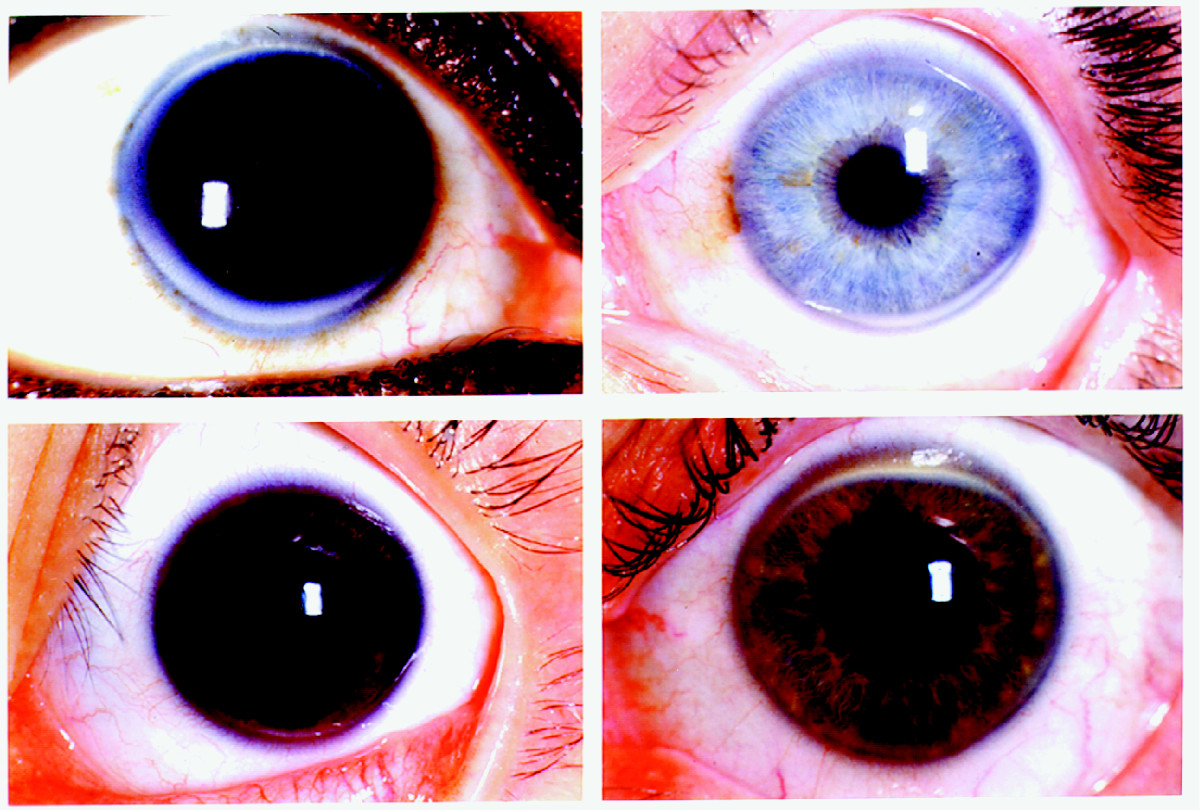

Xanthelasma, yellow plaques on the eyelids, is nonspecific. It occurs in many people with normal lipid levels and does not score in the FH criteria sets. Its presence warrants a lipid panel.
Cutaneous xanthomas in homozygous FH. Planar and tuberous cutaneous xanthomas appear in childhood in HoFH, alongside tendon xanthomas and arcus. Xanthomas before age 10 are a supporting criterion for HoFH in the EAS consensus (Cuchel 2023). Lowering LDL-C, particularly with apheresis, leads to regression of tendon and cutaneous xanthomas (Watts 2023).
Xanthomas that point away from FH. Eruptive xanthomas indicate severe hypertriglyceridemia. Palmar crease xanthomas and tuberoeruptive xanthomas indicate dysbetalipoproteinemia. Tendon xanthomas with normal or modestly raised cholesterol point to sitosterolemia or cerebrotendinous xanthomatosis, and tendon xanthomas with neurologic disease or juvenile cataracts point to cerebrotendinous xanthomatosis.
Clinical diagnostic criteria: DLCN, Simon Broome, and MEDPED
Clinical criteria were developed to identify FH before genetic testing was available, and they remain the basis of diagnosis when testing is unavailable, declined, or negative. They differ in purpose: the DLCN score estimates probability in an adult index case, the Simon Broome criteria classify an index case as definite or possible, and the US Make Early Diagnosis to Prevent Early Deaths (MEDPED) criteria apply age-specific total cholesterol cut points that are lower when FH is known in a relative.
The Dutch Lipid Clinic Network score calculator scores an adult index case and lists the point values and the full Simon Broome and MEDPED cut points. In the DLCN score, the highest item per group counts across five groups (family history, personal history of premature vascular disease, physical findings, untreated LDL-C, and DNA analysis), and a score above 8 is definite FH, 6 to 8 probable, 3 to 5 possible, and below 3 unlikely. Simon Broome definite FH requires total cholesterol above 290 mg/dL (7.5 mmol/L) or LDL-C above 190 mg/dL (4.9 mmol/L) with tendon xanthomas in the patient or a relative, or a pathogenic variant.
| Criteria | Inputs | Output | Strengths | Limitations |
|---|---|---|---|---|
| US definition (AHA 2015) | LDL-C, first-degree relative, premature coronary disease, genotype | HeFH or HoFH | Simple; aligned with US LDL-C thresholds and genetic testing | Binary; family information often incomplete |
| Dutch Lipid Clinic Network | Family history, personal premature ASCVD, xanthomas, arcus before 45, untreated LDL-C, DNA | Unlikely, possible, probable, definite | Graded probability; endorsed by the EAS; used for NHANES estimates | Built for untreated adult index cases; points for ASCVD inflate scores in coronary cohorts; invalid in children and cascade testing |
| Simon Broome | Total or LDL-C, tendon xanthomas in patient or relative, variant, family history | Possible or definite | Long use in the United Kingdom; identifies definite cases with xanthomas | Tendon xanthomas often absent in treated or young patients |
| MEDPED | Total cholesterol by age and degree of affected relative | FH or not | Suited to families with a known case; lower cut points for relatives | Total cholesterol only; derived in families with known FH |
| Genetic | Panel sequencing and copy-number analysis | Pathogenic, likely pathogenic, uncertain, benign | Definitive when positive; anchors cascade testing | A negative test does not exclude FH |
Comparison of diagnostic criteria for familial hypercholesterolemia in adults (Gidding 2015; Nordestgaard 2013; Watts 2023). Point values and cut points are listed with the DLCN calculator.
Limitations shared by the clinical criteria. All require an untreated LDL-C, which many adults no longer have on record; the IAS guidance adjusts treated values for current therapy when no pretreatment value exists and repeats measurement after recovery from acute illness (Watts 2023). They overlap with polygenic hypercholesterolemia at the lower end of the HeFH range and with HoFH at the upper end. Measured LDL-C includes the cholesterol carried on Lp(a). In 46,200 people in the Copenhagen General Population Study, high Lp(a) cholesterol accounted for a quarter of all clinical FH diagnoses, and after LDL-C was corrected for Lp(a) cholesterol, the higher Lp(a) concentrations seen in clinical FH disappeared (Langsted 2016). The IAS guidance states that correcting LDL-C for Lp(a) cholesterol may refine the clinical diagnosis in patients with very high Lp(a), while noting that the best method of correction is unresolved (Watts 2023). Index-case criteria such as DLCN and Simon Broome are not valid for children or for diagnosing relatives in cascade testing, where age- and sex-specific LDL-C cut points apply (Watts 2023). The 2026 NLA consensus reviews current diagnostic criteria and emphasizes a thorough differential diagnosis (Ahmad 2026).
Excluding secondary causes before diagnosing familial hypercholesterolemia
A phenotypic diagnosis of FH requires exclusion of, or correction for, secondary causes of high LDL-C, and LDL-C is ideally measured after fasting on two occasions (Watts 2023). The secondary causes that most often produce LDL-C in the FH range are hypothyroidism, nephrotic syndrome, and cholestatic liver disease, including primary biliary cholangitis. Drugs that raise LDL-C include glucocorticoids, cyclosporine, anabolic steroids, progestins, and amiodarone; sodium-glucose cotransporter 2 inhibitors produce a small rise. Anorexia nervosa and pregnancy also raise LDL-C. Thyroid-stimulating hormone, glucose or hemoglobin A1c, liver tests, creatinine, and urine albumin are measured before a diagnosis is made or therapy is escalated. The broader classification of secondary dyslipidemia is in secondary causes of dyslipidemia.
| Cause | Lipid effect | Distinguishing test or feature |
|---|---|---|
| Hypothyroidism | Raised LDL-C from reduced receptor expression | Thyroid-stimulating hormone; LDL-C falls with replacement |
| Nephrotic syndrome | Raised LDL-C, often with raised triglycerides and Lp(a) | Urine albumin or protein, serum albumin, edema |
| Cholestasis and primary biliary cholangitis | Raised total and measured LDL-C | Alkaline phosphatase, bilirubin, antimitochondrial antibodies |
| Drugs | Raised LDL-C with glucocorticoids, cyclosporine, anabolic steroids, progestins, amiodarone | Medication history; repeat measurement after withdrawal where possible |
| Anorexia nervosa | Raised LDL-C | Weight history and body mass index |
| Pregnancy | LDL-C rises by about 30% to 50% from the second trimester | Measurement deferred until after delivery and lactation when possible |
| Severe hypertriglyceridemia | Calculated LDL-C unreliable | Fasting sample with direct LDL-C assay when triglycerides exceed 400 mg/dL |
Secondary causes of LDL-C elevation excluded before a diagnosis of familial hypercholesterolemia (Blumenthal 2026; Watts 2023).
When triglycerides exceed 400 mg/dL (4.5 mmol/L) and FH is suspected, the IAS guidance repeats the assessment with a 12-hour fasting sample and a direct LDL-C assay (Watts 2023). A secondary cause and FH can coexist: an LDL-C that remains in the FH range after the secondary cause is corrected, or a family history that predates it, keeps FH in the differential.
Genetic testing for familial hypercholesterolemia
Recommendations. The 2026 ACC/AHA guideline includes panel-based genetic testing in the evaluation of suspected FH (Blumenthal 2026). The 2018 JACC Scientific Expert Panel recommends genetic testing as the standard of care for patients with definite or probable FH and for their at-risk relatives (Sturm 2018). The IAS guidance offers testing to all individuals with a strong suspicion of FH, including phenotypic HoFH and definite or highly probable HeFH; testing should be considered in probable HeFH and may be considered in possible HeFH when the result would change management (Watts 2023).
Clinical value of a positive result. A pathogenic variant confirms the diagnosis and identifies a patient at higher risk than a noncarrier with the same LDL-C. It also supports insurance approval of PCSK9-directed and other nonstatin therapy, improves adherence in some patients, and allows cascade testing of relatives with near-complete sensitivity and specificity for the familial variant. In HoFH, the genotype predicts response to receptor-dependent drugs.
Panel content. Testing is performed in an accredited laboratory by targeted next-generation sequencing of all exons and exon-intron boundaries of LDLR, APOB, PCSK9, and LDLRAP1 (or the receptor-binding exons of APOB), with analysis for deletions and duplications in LDLR (Watts 2023). Panels that also include the genes of FH mimics, such as ABCG5 and ABCG8, detect sitosterolemia in patients referred for suspected FH (Loh 2025).
Variant interpretation. Variants are classified as pathogenic, likely pathogenic, of uncertain significance, likely benign, or benign under the American College of Medical Genetics and Genomics framework, refined for FH by the ClinGen FH Variant Curation Expert Panel. Pathogenic and likely pathogenic variants are actionable. A variant of uncertain significance does not establish or exclude FH, is not used for cascade testing, and is reclassified over time as evidence accumulates; management rests on phenotype in the meantime.
Diagnostic yield. Yield depends on how the population was selected. In unselected adults with LDL-C of 190 mg/dL or more, fewer than 2% carry a variant (Khera 2016). In UK lipid clinic patients with a clinical diagnosis, about 40% carried a variant (Talmud 2013).
Interpretation of a negative test. A negative result does not exclude FH (Watts 2023). The patient may have polygenic hypercholesterolemia, a variant in a region or gene the panel does not cover, high Lp(a), or a mimic such as sitosterolemia. Management follows the phenotype: an adult with LDL-C of 190 mg/dL or more remains in the severe hypercholesterolemia pathway, and first-degree relatives are screened with lipid levels.
| Result | Interpretation | Family testing | Management |
|---|---|---|---|
| Pathogenic or likely pathogenic, one variant | Heterozygous FH confirmed | Targeted variant testing of first-degree relatives, then extended | FH pathway; higher risk than LDL-C alone predicts |
| Two pathogenic variants (same or different genes), or biallelic LDLRAP1 | Homozygous, compound heterozygous, or recessive FH | Both parents and siblings; reproductive counseling | Lipid specialist; HoFH pathway |
| Variant of uncertain significance | Not diagnostic | Not used for cascade testing; segregation studies may help | Phenotype-based; periodic reclassification |
| No variant detected | FH not excluded; polygenic, Lp(a)-mediated, undetected variant, or mimic | Lipid screening of first-degree relatives | Phenotype-based severe hypercholesterolemia care |
| ABCG5/ABCG8, LIPA, CYP27A1, or APOE finding | Mimic of FH | Disorder-specific | Disorder-specific therapy, described under the differential diagnosis |
Interpretation of genetic test results in suspected familial hypercholesterolemia (Sturm 2018; Watts 2023; Loh 2025).
Genetic counseling, life insurance, and genetic discrimination
Genetic counseling is offered before and after testing to all individuals suspected of having FH (Watts 2023). Counseling includes a three-generation pedigree, risk and psychological assessment, anticipatory guidance, discussion of the possibility of uncertain or negative results, and a plan for notifying relatives. It may be provided by a genetic counselor or by a clinician with expertise in FH and genetics.
Reproductive counseling. A heterozygous parent transmits the variant to a child with a probability of 50% per pregnancy. When both partners have HeFH, a child has a 25% probability of HoFH, a 50% probability of HeFH, and a 25% probability of inheriting neither variant. The IAS guidance offers preconception counseling to all couples, especially when both partners have or may have FH, and offers prenatal or preimplantation genetic testing when both are known to be affected (Watts 2023). Children born to a parent with HoFH are obligate heterozygotes.
Discrimination protections in the United States. The Genetic Information Nondiscrimination Act of 2008 (GINA) prohibits health insurers from using genetic information for eligibility, coverage, underwriting, or premiums, and prohibits employers from using it in hiring, firing, promotion, pay, or job assignment. GINA does not apply to life, disability, or long-term care insurance, to employers with fewer than 15 employees, or to employment decisions in the US military; some states add protections for these insurance types (NHGRI). Concern about life insurance is among the reasons genetic testing for FH is underused (Watts 2023), and counseling addresses it before testing.
Detection strategies in adults and cascade screening of relatives
Detection of index cases. The IAS guidance combines selective, opportunistic, and universal strategies (Watts 2023). Selective screening tests adults with premature ASCVD, mainly coronary disease, and those with a family history of premature ASCVD or hypercholesterolemia. Opportunistic screening flags adults with LDL-C above 190 mg/dL (4.9 mmol/L) found in routine care. Health-system strategies include laboratory reports that comment on LDL-C in the FH range; electronic health record searches and algorithms that identify patients with severe hypercholesterolemia, premature ASCVD, or both; and referral pathways for expert evaluation and genetic testing.
Universal screening of children followed by reverse cascade testing of their parents is the strategy that reaches young adults. The 2026 ACC/AHA guideline supports universal lipid screening at ages 9 to 11 years and earlier screening from age 2 when the family history includes premature ASCVD, severe hypercholesterolemia, or FH. Modeling suggests that combining cascade testing with some form of universal screening at younger ages identifies more than 90% of the population with FH (Watts 2023). Genome-based population screening of adults may be considered but requires careful implementation.
Young adults with coronary disease are a high-yield group, and FH is part of the evaluation of nontraditional risk factors in young adults with chronic coronary disease.
Cascade testing. Cascade testing, the systematic testing of relatives of an index case, is the most efficient way to find new cases (Watts 2023). First-degree relatives of a heterozygote have a 50% probability of carrying the variant, second-degree relatives 25%, and third-degree relatives 12.5%. When the familial variant is known, targeted variant testing is offered first to first-degree relatives and then extended to second- and third-degree relatives until all at-risk relatives have been offered testing (Watts 2023). When it is not known, relatives are tested with lipid profiles interpreted against age- and sex-specific LDL-C cut points; the DLCN and Simon Broome criteria are not valid for this purpose. Children are offered testing at the earliest opportunity, and reverse cascade testing from an affected child to the parents is recommended. When the index case also has high Lp(a), first-degree relatives are tested for Lp(a) as well (Watts 2023), and the 2026 guideline makes cascade screening recommendations for elevated Lp(a). The organization of cascade testing varies between and within countries. Pre-test and post-test genetic counseling is offered to at-risk relatives (Watts 2023).
Risk stratification in familial hypercholesterolemia
General-population risk equations are not used. The IAS guidance states that general-population calculators, including the Framingham Risk Score, Pooled Cohort Equations, SCORE2, and QRISK3, should not be used in FH (Watts 2023). The 2026 ACC/AHA guideline applies the PREVENT equations to adults aged 30 to 79 years without ASCVD and with LDL-C of 70 to 189 mg/dL, and adults with LDL-C of 190 mg/dL or more receive statin therapy without a risk calculation (Blumenthal 2026). The same exclusions are listed under why absolute risk decides preventive therapy.
FH-specific risk equations. Risk stratification within FH guides the intensity of therapy and the timing of PCSK9-directed treatment. The SAFEHEART risk equation was derived in 2,404 adults with molecularly defined FH followed for a mean of 5.5 years, during which 0.5% had fatal and 5.1% nonfatal incident ASCVD. Age, male sex, prior ASCVD, high blood pressure, body mass index, active smoking, LDL-C, and Lp(a) were independent predictors. The equation had a C index of 0.85 in derivation, and in patients without prior ASCVD it outperformed the modified Framingham equation and the Pooled Cohort Equations (C index 0.81 versus 0.78 and 0.80) (Pérez de Isla 2017). The FH Risk Score predicts cardiovascular events and cardiovascular mortality in FH (Paquette 2021). The IAS guidance states that FH-specific calculators such as these should be considered in adults with an established diagnosis of HeFH (Watts 2023).
Additional factors specific to FH. The IAS guidance adds LDL-C and Lp(a) at diagnosis, LDL-C life-years, family history of premature ASCVD (especially in first-degree relatives), tendon xanthomas, and a positive genetic test to conventional risk factors. It also considers female-specific factors such as reproductive history, time off statins for pregnancy and breastfeeding, and age at menopause (Watts 2023).
Lipoprotein(a). Lp(a) is an independent risk factor in FH and is measured at least once in all adults under the 2026 guideline. In the Copenhagen study, compared with people unlikely to have FH and Lp(a) of 50 mg/dL or less, the hazard ratio for myocardial infarction was 3.2 (95% CI 2.5 to 4.1) with clinical FH and Lp(a) of 50 mg/dL or less, and 5.3 (95% CI 3.6 to 7.6) with clinical FH and Lp(a) above 50 mg/dL (Langsted 2016). Elevated Lp(a) also accelerates aortic valve disease in FH and predicts polyvascular disease in HeFH (Watts 2023). Testing, thresholds, and management are covered under lipoprotein(a) testing and management.
Coronary calcium and imaging. In 1,624 statin-treated adults with HeFH in primary prevention in the French and Spanish registries, followed for a median of 2.7 years, a coronary artery calcium (CAC) score above 100 carried a hazard ratio of 32.05 (95% CI 10.08 to 101.94) for ASCVD compared with a score of zero. Adding CAC to the SAFEHEART equation raised the area under the curve from 0.793 to 0.884, with a net reclassification improvement of 45.4% (Gallo 2021). The IAS guidance states that FH-specific calculators combined with CAC should be considered in statin-treated adults, that CAC, coronary CT angiography, and carotid ultrasonography may be considered to document plaque burden, and that CAC is not used to monitor the effect of treatment (Watts 2023). A score of zero does not exclude risk in FH, because young adults with FH can have noncalcified plaque; as described under a calcium score of zero. In FH, imaging informs the intensity of therapy, and statin therapy starts whatever the score.
Homozygous FH. All patients with HoFH undergo coronary CT angiography or invasive angiography, carotid ultrasonography, echocardiography with aortic valve gradients, and stress testing at diagnosis and as clinically indicated, to detect ostial coronary disease, aortic root and valve involvement, and inducible ischemia (Watts 2023).
LDL cholesterol goals in familial hypercholesterolemia
The 2026 ACC/AHA guideline returns to treat-to-goal management, with LDL-C goals of below 100 mg/dL at borderline or intermediate risk, below 70 mg/dL at high risk, and below 55 mg/dL (non-HDL-C below 85 mg/dL) in ASCVD at very high risk (Blumenthal 2026). The 2026 NLA consensus also intensifies goals for primary and secondary prevention (Ahmad 2026). The IAS guidance sets goals after an approximately 50% reduction: below 100 mg/dL (2.5 mmol/L) without ASCVD or other major risk factors, below 70 mg/dL (1.8 mmol/L) with imaging evidence of ASCVD or other major risk factors, below 55 mg/dL (1.4 mmol/L) with clinical ASCVD, and optionally below 40 mg/dL (1.0 mmol/L) after a recurrent event within 2 years on maximally tolerated statin therapy (Watts 2023).
| Clinical situation | 2026 ACC/AHA (mg/dL) | 2023 IAS guidance (mg/dL) |
|---|---|---|
| LDL-C 190 mg/dL or more without FH, risk factors, or subclinical atherosclerosis | By risk category: <100 (non-HDL-C <130) at borderline or intermediate risk; <70 (non-HDL-C <100) at high risk; <55 (non-HDL-C <85) in ASCVD at very high risk | Not addressed (FH-specific guidance) |
| Heterozygous FH without ASCVD or other major risk factors | <100 after about 50% reduction | |
| Heterozygous FH with imaging evidence of atherosclerosis or major risk factors | <70 | |
| Heterozygous FH or severe hypercholesterolemia with clinical ASCVD | <55; <40 may be considered after a recurrent event within 2 years | |
| Homozygous FH | Lipid specialist care; evinacumab, lomitapide, and apheresis added to statin, ezetimibe, and a PCSK9 antibody | <100 without ASCVD or major risk factors; <70 with imaging evidence or risk factors; <55 after an ASCVD event |
LDL-C goals in familial and severe hypercholesterolemia: 2026 ACC/AHA goals by risk category (Blumenthal 2026) and 2023 IAS goals by clinical situation (Watts 2023). The IAS goals apply after a reduction of about 50% from baseline.
The treatment gap. Goals in FH are harder to reach than in other high-risk groups because baseline LDL-C is high. A heterozygote with an untreated LDL-C of 280 mg/dL who achieves the 50% reduction expected from a high-intensity statin reaches 140 mg/dL, and adding ezetimibe for a further 25% reaches about 105 mg/dL, still above a goal of 70 mg/dL. Most patients with HeFH cannot reach very low LDL-C on a statin and ezetimibe and need PCSK9-directed therapy as a third step (Watts 2023).
Treatment of heterozygous familial hypercholesterolemia
Lifestyle. All patients receive advice on a fat-modified, heart-healthy diet with saturated fat below 10% of calories and high fiber, regular physical activity, avoidance of smoking, moderation in alcohol, weight management, and control of blood pressure and glucose (Watts 2023). Diet alone lowers LDL-C modestly in FH and does not replace drug therapy. Plant stanols and sterols may be considered as adjuncts when goals are not met (Watts 2023), although they are avoided in sitosterolemia, a mimic of FH.
High-intensity statin. A high-intensity statin (atorvastatin 40 to 80 mg or rosuvastatin 20 to 40 mg) is the first drug, started at diagnosis and titrated to the maximally tolerated dose. The expected reduction of 50% or more is smaller in patients with null LDLR alleles. Statin selection, intensity, and safety are covered under statin intensity.
Ezetimibe. Ezetimibe adds an incremental reduction of about 25% when combined with a statin and is usually added early in FH because the expected gap to goal is large. Its pharmacology is covered under ezetimibe.
PCSK9 monoclonal antibodies. In RUTHERFORD-2, 331 adults with HeFH on stable lipid-lowering therapy and LDL-C of 100 mg/dL (2.6 mmol/L) or more were randomized to evolocumab 140 mg at 2-week intervals, 420 mg monthly, or placebo; LDL-C fell at 12 weeks by 59.2% and 61.3% relative to placebo with the two regimens (Raal 2015, RUTHERFORD-2). In ODYSSEY FH I (486 patients) and FH II (249 patients), alirocumab 75 mg at 2-week intervals was increased to 150 mg when LDL-C remained 70 mg/dL or more at week 8. At week 24, alirocumab lowered LDL-C from 144.7 to 71.3 mg/dL in FH I (−57.9% relative to placebo) and from 134.6 to 67.7 mg/dL in FH II (−51.4%), with effects maintained through week 78. LDL-C below 70 mg/dL was reached by 59.8% and 68.2% of treated patients, respectively (Kastelein 2015). The IAS guidance adds PCSK9-directed therapy when goals are not met on diet, a maximally tolerated statin, ezetimibe, and other adjuncts. It also considers the triple combination of a high-potency statin, ezetimibe, and PCSK9-directed therapy as first-line treatment in extremely high-risk HeFH, such as after myocardial infarction or with multivessel or polyvascular disease (Watts 2023).
Inclisiran. In ORION-9, 482 adults with HeFH (median age 56 years, mean baseline LDL-C 153 mg/dL) were randomized to inclisiran 300 mg or placebo on days 1, 90, 270, and 450. At day 510, LDL-C fell by 39.7% with inclisiran and rose by 8.2% with placebo, a between-group difference of −47.9 percentage points, with reductions across all FH genotypes and adverse events similar to placebo (Raal 2020, ORION-9). The US label of inclisiran lists LDL-C reduction as its indication and cites the outcome trials of statins and PCSK9 antibodies (US Food and Drug Administration [FDA] prescribing information). Its own outcome trials, ORION-4 and VICTORION-2 PREVENT, and its place relative to the antibodies are described under inclisiran.
Bempedoic acid. Bempedoic acid is labeled for LDL-C reduction in adults with hypercholesterolemia, including HeFH. CLEAR Harmony enrolled 2,230 patients with ASCVD, HeFH, or both on maximally tolerated statin therapy, and bempedoic acid lowered LDL-C by 18.1 percentage points more than placebo at 12 weeks (Ray 2019). Its main use in FH is in statin intolerance or as an additional oral agent; details are under bempedoic acid.
Bile acid sequestrants. Cholestyramine, colestipol, and colesevelam lower LDL-C by 10% to 27% and are the drug option in pregnancy because they are not absorbed. They raise triglycerides and are poorly tolerated, which limits their use outside pregnancy (Watts 2023).
Oral PCSK9 inhibition and other new agents. In CORALreef HeFH, 303 adults with HeFH (81.5% on a high-intensity statin, 64.4% on ezetimibe, mean LDL-C 119.0 mg/dL) had a placebo-corrected LDL-C reduction of 59.4% at 24 weeks with the oral macrocyclic peptide enlicitide, sustained at 61.5% at 52 weeks (Ballantyne 2026). Enlicitide was approved by the FDA in July 2026 for adults with hypercholesterolemia, including HeFH. The cholesteryl ester transfer protein (CETP) inhibitor obicetrapib was studied in patients with ASCVD or HeFH in BROADWAY, where it lowered LDL-C by 32.6 percentage points more than placebo at day 84 (Nicholls 2025). Both are described under oral PCSK9 inhibitors and agents in development.
| Drug class | Trial in FH | LDL-C effect in FH | Place in therapy |
|---|---|---|---|
| High-intensity statin | Dutch FH cohort (2,146 patients) | About 50% or more; coronary risk reduced by 76% | First drug, at diagnosis |
| Ezetimibe | Combination trials in hypercholesterolemia | About 25% additional | Early second drug |
| Evolocumab | RUTHERFORD-2 (331 adults with HeFH) | 59.2% and 61.3% relative to placebo | Third step; first-line combination in extremely high risk |
| Alirocumab | ODYSSEY FH I and FH II (735 adults) | 57.9% and 51.4% relative to placebo | As above |
| Inclisiran | ORION-9 (482 adults) | 47.9 percentage points relative to placebo at day 510 | Alternative to antibodies; twice-yearly dosing after loading |
| Bempedoic acid | CLEAR Harmony (ASCVD, HeFH, or both) | 18.1 percentage points relative to placebo | Statin intolerance or additional oral agent |
| Enlicitide | CORALreef HeFH (303 adults) | 59.4% relative to placebo at 24 weeks | Oral PCSK9 inhibitor; approved July 2026 |
| Bile acid sequestrants | Pre-statin trials | 10% to 27% | Pregnancy; adjunct |
LDL-lowering drugs in heterozygous familial hypercholesterolemia (Versmissen 2008; Raal 2015; Kastelein 2015; Raal 2020; Ray 2019; Ballantyne 2026). Sequencing by risk group under the 2026 guideline is given under sequencing add-on therapy.
Monitoring and safety. Hepatic aminotransferases, creatine kinase, glucose, and creatinine are measured before drug therapy; stable patients can be monitored with nonfasting lipid profiles, and a fasting LDL-C is used when treatment is changed, especially with hypertriglyceridemia (Watts 2023). Low-dose aspirin may be considered for primary prevention in patients with FH at higher risk, such as those with markedly elevated Lp(a), diabetes, or adverse imaging findings, when bleeding risk is low (Watts 2023). Treatment is continued during acute illness unless a specific contraindication arises.
Homozygous familial hypercholesterolemia: diagnosis and genotype
Diagnostic criteria. The 2023 EAS consensus lowered the clinical threshold for HoFH. An untreated LDL-C above about 400 mg/dL (10 mmol/L) is suggestive of HoFH and prompts further evaluation; supporting features are cutaneous or tendon xanthomas before age 10 and untreated LDL-C consistent with HeFH in both parents. Genetic confirmation requires biallelic pathogenic or likely pathogenic variants on different chromosomes at LDLR, APOB, PCSK9, or LDLRAP1, or two or more such variants at different loci (Cuchel 2023). The threshold was lowered from the earlier 500 mg/dL (13 mmol/L) because genetically confirmed HoFH occurs below it (Watts 2023; Sjouke 2015). In the Dutch molecular series, mean untreated LDL-C was about 499 ± 197 mg/dL (12.9 ± 5.1 mmol/L), with a range of 170 to 831 mg/dL (4.4 to 21.5 mmol/L) (Sjouke 2015). In the absence of genetic testing and a clear history of FH in both parents, sitosterolemia and cerebrotendinous xanthomatosis are excluded before HoFH is diagnosed (Watts 2023).
Residual receptor activity. The genotype determines the residual LDL receptor activity, which predicts LDL-C level, age at onset of atherosclerosis, and response to receptor-dependent drugs. Patients with two null alleles have the highest LDL-C and respond least to statins and PCSK9 inhibitors. Receptor-defective patients retain some response. Patients with LDLRAP1 disease have lower LDL-C than receptor-negative homozygotes (Wilund 2002). In TESLA Part B, evolocumab 420 mg monthly lowered LDL-C by 30.9% relative to placebo in 49 patients with HoFH not on apheresis (Raal 2015, TESLA Part B). The IAS guidance therefore adds a PCSK9 inhibitor in patients without biallelic LDLR null variants and continues it only when LDL-C falls by at least 15% (Watts 2023).
Family implications. Both parents of a patient with HoFH are usually heterozygotes, and siblings have a 25% probability of HoFH. The EAS consensus recommends lipid screening of newborns when both parents have HeFH or known hypercholesterolemia (Cuchel 2023). Children of a parent with HoFH are obligate heterozygotes and are diagnosed and offered treatment by age 8 years (Watts 2023).
Homozygous familial hypercholesterolemia: treatment pathway
2026 ACC/AHA recommendations. Adults with clinical or genetic HoFH are referred to a lipid specialist for consideration of advanced LDL-lowering drugs and lipoprotein apheresis. Maximally tolerated statin therapy is used with ezetimibe and a PCSK9 antibody, and evinacumab or lomitapide is added when LDL-C remains high on that combination (Blumenthal 2026). The full recommendation set with levels of evidence is given under evinacumab and lomitapide for HoFH.
EAS and IAS pathway. The 2023 EAS treatment pathway, framed for children, starts lifestyle therapy, a statin, and ezetimibe at diagnosis and considers lipoprotein apheresis when LDL-C remains above 300 mg/dL (8 mmol/L). The newer therapies (PCSK9 inhibitors at HoFH doses, lomitapide, and evinacumab) are considered when LDL-C remains above 115 mg/dL (3 mmol/L). When apheresis and novel therapies are unavailable, liver transplantation is considered (Cuchel 2023). The IAS guidance titrates the statin rapidly, adds ezetimibe within 8 weeks and a PCSK9 inhibitor within a further 8 weeks, and considers lomitapide or evinacumab when LDL-C remains markedly elevated or ASCVD progresses, especially when apheresis is unavailable (Watts 2023).
Evinacumab. Evinacumab is a monoclonal antibody against angiopoietin-like 3 (ANGPTL3) that lowers LDL-C through a pathway independent of the LDL receptor. In ELIPSE HoFH, 65 patients with a mean LDL-C of 255.1 mg/dL despite maximal therapy were randomized 2:1 to evinacumab 15 mg/kg intravenously at 4-week intervals or placebo. LDL-C fell by 47.1% versus a rise of 1.9% (difference −49.0 percentage points; absolute difference −132.1 mg/dL), with similar effects in patients with null-null variants (−43.4% versus +16.2%) (Raal 2020, ELIPSE). The label covers adults and children aged 1 year and older with HoFH. Animal studies showed fetal harm, so effective contraception continues for 5 months after the last dose.
Lomitapide. Lomitapide inhibits microsomal triglyceride transfer protein and prevents assembly of VLDL in the liver and chylomicrons in the intestine, lowering apoB-containing lipoproteins regardless of receptor function. In a single-arm phase 3 study of 29 adults with HoFH, it lowered LDL-C by 50% at 26 weeks, 44% at 56 weeks, and 38% at 78 weeks (Cuchel 2013). The label carries a boxed warning for hepatotoxicity, requires a low-fat diet with vitamin E and essential fatty acid supplements, and restricts use to a Risk Evaluation and Mitigation Strategy program; titration and monitoring are described under lomitapide.
Liver transplantation. A transplanted liver supplies normal LDL receptors and normalizes LDL-C, and it lowers Lp(a) (Watts 2023). The IAS guidance considers transplantation in HoFH with rapidly progressive ASCVD that does not reach goal on all available therapy, including apheresis, and considers combined heart and liver transplantation in the most severely affected patients. Transplantation may also be considered when LDL-C remains above 400 mg/dL (10 mmol/L) on all available treatment, typically in children and young adults with biallelic null LDLR variants (Watts 2023). Lifelong immunosuppression and its complications limit its use.
| Therapy | Mechanism | Depends on LDL receptor | LDL-C effect in HoFH | Main cautions |
|---|---|---|---|---|
| High-intensity statin with ezetimibe | Receptor upregulation; reduced absorption | Yes | Modest; least with null alleles | Standard monitoring |
| PCSK9 antibody | Prevents receptor degradation | Yes | 30.9% relative to placebo (TESLA Part B); minimal with two null alleles | Continued only with at least 15% further reduction (IAS) |
| Evinacumab | ANGPTL3 inhibition | No | 49.0 percentage points relative to placebo (ELIPSE); similar in null-null patients | Infusion reactions; contraception for 5 months after last dose |
| Lomitapide | MTP inhibition | No | 50% at 26 weeks (single arm) | Hepatotoxicity, hepatic fat, gastrointestinal effects; REMS; contraindicated in pregnancy |
| Lipoprotein apheresis | Extracorporeal removal of LDL and Lp(a) | No | Acute reduction ideally 65–70% per session | Vascular access, hypotension with ACE inhibitors, iron deficiency |
| Liver transplantation | Supplies normal receptors | Corrects defect | Normalization | Immunosuppression; donor availability |
Treatment options in homozygous familial hypercholesterolemia (Raal 2015; Raal 2020; Cuchel 2013; Cuchel 2023; Watts 2023). ACE, angiotensin-converting enzyme; MTP, microsomal triglyceride transfer protein; REMS, Risk Evaluation and Mitigation Strategy.
Surveillance of the aortic root and valve. In HoFH, the aortic root, valve, and supravalvular aorta are assessed by echocardiography at diagnosis and then as clinically indicated, and annually in patients receiving apheresis with aortic root or coronary disease (Watts 2023). Lowering LDL-C has been associated with reduction in supravalvular aortic stenosis (Watts 2023). Timing of intervention for valve disease is covered under aortic stenosis.
Lipoprotein apheresis: indications, FDA criteria, and practice
Lipoprotein apheresis removes LDL and Lp(a) from plasma or whole blood in an extracorporeal circuit, at weekly or 2-week intervals, through peripheral veins or an arteriovenous fistula. Techniques, rebound kinetics, and adverse effects are described under lipoprotein apheresis. In the United States, the Liposorber LA-15 dextran sulfate adsorption system is the lipoprotein apheresis device in use, and its FDA-approved indications define eligibility.
| Group | US Food and Drug Administration criteria (Liposorber LA-15 system) |
|---|---|
| A | Functional hypercholesterolemic homozygotes with LDL-C above 500 mg/dL |
| B | Functional hypercholesterolemic heterozygotes with LDL-C of 300 mg/dL or higher |
| C | Functional hypercholesterolemic heterozygotes with LDL-C of 160 mg/dL or higher and documented coronary heart disease |
| D | Clinically diagnosed heterozygous familial hypercholesterolemia with lipoprotein(a) of 60 mg/dL (130 nmol/L) or higher and documented coronary artery disease or peripheral artery disease |
Indications for lipoprotein apheresis with the Liposorber LA-15 system: Groups A to C as worded in the 2015 indications (supplement S017) and Group D as revised in January 2025 (supplement S039). All groups require that diet has been ineffective and maximum drug therapy has been ineffective or not tolerated (FDA P910018).
Evolution of the FDA indications. The 2015 indications defined Group C as heterozygotes with LDL-C of 160 mg/dL or more and documented coronary heart disease. A Group D added in April 2020 covered heterozygotes with LDL-C of 100 mg/dL or more, Lp(a) of 60 mg/dL or more, and documented coronary or peripheral artery disease. The January 2025 revision (supplement S039) changed the indications for use statement and removed the LDL-C criterion from Group D (FDA P910018). Insurance policies written before the S039 revision may still cite the former Group D LDL-C criterion.
Clinical indications in guidance. The IAS guidance recommends apheresis, where feasible, in adults with HoFH who do not reach LDL-C goals on maximally tolerated combination therapy, and in adults with phenotypic HeFH and progressive ASCVD not at goal on a high-potency statin, ezetimibe, and a PCSK9 inhibitor, especially with Lp(a) of 125 nmol/L (60 mg/dL) or more (Watts 2023). PCSK9 inhibitors, evinacumab, and lomitapide have reduced the number of patients who need apheresis and, in those who do, the frequency of sessions.
Apheresis prescription and monitoring. One to two plasma or blood volumes are treated per session, with plasma volume estimated as body weight in kilograms × 0.045 liters. The target acute reduction of LDL-C and Lp(a) is about 65% to 70% (Watts 2023). Because LDL-C rebounds between sessions, the time-averaged concentration determines benefit and is estimated with the formula Cmean = Cmin + k(Cmax − Cmin), where Cmax is the pre-procedure and Cmin the post-procedure value. The IAS guidance uses k of 0.65 for LDL-C in HoFH and 0.71 for LDL-C in statin-treated HeFH at 2-week intervals (Watts 2023), and the original derivation gave 0.73 (Kroon 2000). The interval mean is compared with the LDL-C goal to adjust the treated volume or frequency. All diet and drug therapy continues during apheresis, and PCSK9 antibodies are injected soon after a session (Watts 2023).
Safety. Angiotensin-converting enzyme inhibitors are not used with apoB adsorption systems, because dextran sulfate contact activates bradykinin generation and inhibition of its breakdown causes hypotension and flushing; an angiotensin receptor blocker is substituted (Watts 2023). Warfarin is adjusted or withheld several days before procedures that use intravenous heparin, whereas direct oral anticoagulants need to be stopped only on the day of apheresis, and antiplatelet therapy continues. Full blood counts are monitored, and iron is replaced when deficiency develops on long-term treatment (Watts 2023).
Familial hypercholesterolemia evaluation and apheresis eligibility tool
The tool applies the US definitions of HeFH and HoFH from the 2015 AHA statement, the IAS tiers for genetic testing, the LDL-C goals for FH and severe hypercholesterolemia, the HoFH drug pathway, and the FDA Liposorber Groups A to D. The clinical criteria category is taken from the DLCN calculator or from Simon Broome or MEDPED.
FH evaluation and apheresis eligibility
Adults; US definitions, IAS guidance, FDA criteriaClassification follows the 2015 AHA definitions (Gidding 2015): HeFH with LDL-C of 190 mg/dL or more and an affected or prematurely affected first-degree relative, or with one pathogenic variant; HoFH with LDL-C of 400 mg/dL or more and an affected parent, or with two variants. Genetic testing tiers and LDL-C goals in FH follow the IAS guidance (Watts 2023); goals in severe hypercholesterolemia without FH follow the 2026 ACC/AHA risk categories (Blumenthal 2026). Apheresis groups follow the FDA Liposorber indications, with Groups A to C as worded in 2015 and Group D as revised in January 2025, and use current LDL-C. An Lp(a) threshold of 60 mg/dL or 130 nmol/L is applied in the unit entered, without conversion between units.
Gene therapy, gene editing, and agents in development
Gene editing. One-time hepatic editing aims to inactivate a lipid gene permanently. VERVE-102, an adenine base editor and guide RNA targeting PCSK9 delivered in an N-acetylgalactosamine (GalNAc)-lipid nanoparticle, was given as a single infusion to 35 adults with HeFH or premature coronary disease. PCSK9 fell by 51% to 88% and LDL-C by 9% to 62% according to dose, and reductions were sustained through at least 1 year in 15 participants (Vafai 2026). Infusion reactions and transient aminotransferase elevations occurred without dose-limiting toxic effects. Editing of PCSK9 lowers LDL-C through the LDL receptor and is therefore aimed at HeFH.
Gene therapy in HoFH. The 2023 EAS consensus regards gene therapy and CRISPR-based editing as promising in HoFH, with clinical trials needed to establish efficacy and safety (Cuchel 2023). The IAS guidance considers them of potential therapeutic value pending such trials (Watts 2023).
Other agents. The oral PCSK9 inhibitor enlicitide is approved for HeFH, and further oral PCSK9 inhibitors and the CETP inhibitor obicetrapib are in development; their trial data are summarized in the treatment section and under agents in development. Lp(a)-lowering agents in outcome trials are relevant to the many patients with FH who also have high Lp(a).
Pregnancy, contraception, and family planning in familial hypercholesterolemia
Physiology and exposure. Total cholesterol and LDL-C rise by about 30% to 50% from the second trimester to term. In FH the relative rise is similar, so the absolute increase is more than twice as large. Women with HeFH face 1 to 2 years without statin therapy per pregnancy and lactation, which adds to cumulative LDL exposure; the general physiology is described under lipids in pregnancy and after delivery. Fertility is normal in women with FH, so contraception and pregnancy planning are part of routine care (Watts 2023).
Before pregnancy. All women with FH of childbearing age, including adolescents, are counseled about the risks of pregnancy and about effective contraception, and preconception counseling is offered before statins or other lipid-lowering drugs are started (Watts 2023). Women with HoFH or high-risk HeFH are offered imaging before a planned pregnancy, such as coronary CT angiography and echocardiography for aortic stenosis. Contraceptive choice follows the US Medical Eligibility Criteria, with attention to thrombotic and blood pressure effects in women with ASCVD; methods are covered under postpartum contraception by condition.
Drug therapy. The 2026 ACC/AHA guideline defers most lipid-lowering therapy during conception, pregnancy, and lactation (Blumenthal 2026). ACC guidance limits continued statin therapy in pregnancy to women at high risk, such as those with FH or ASCVD, and avoids statins during lactation (ACC LDL-C Manager). Details are under lipids in women and pregnancy. The FDA removed the class-wide pregnancy contraindication from statin labels in 2021 and acknowledged the net benefit of statins during pregnancy in women at very high risk, such as those with HoFH (Watts 2023).
The IAS guidance discontinues statins and other absorbed lipid-lowering drugs 3 months before planned conception and during pregnancy and lactation, and it reassures women who conceive on a statin that harm to the fetus is unlikely. In women with HoFH and clinical ASCVD, it considers continued statin therapy. In these women, statins, ezetimibe, or PCSK9 antibodies are considered, particularly after the first trimester, when goals are not met and apheresis is unavailable (Watts 2023). The EAS consensus restarts statins and other lipid-lowering therapy from the second trimester in HoFH (Cuchel 2023). Bile acid sequestrants can be used before, during, and after pregnancy, with monitoring for fat-soluble vitamin deficiency, including vitamin K. No safety data exist for bempedoic acid, PCSK9 antibodies, inclisiran, lomitapide, or evinacumab in pregnancy; lomitapide is contraindicated, and evinacumab requires contraception for 5 months after the last dose.
Apheresis in pregnancy. Lipoprotein apheresis is continued or started during pregnancy in women with HoFH, especially with established ASCVD or LDL-C above goal, and the same applies to women with severe HeFH, including those with Lp(a) of 125 nmol/L (60 mg/dL) or more (Watts 2023). Sessions are weekly or at 2-week intervals.
After delivery. A postpartum lipid panel at 6 weeks, earlier than the usual interval of at least 12 weeks, is used when FH is suspected, because the result changes care before the next pregnancy. Statins are avoided during breastfeeding, and therapy is restarted when breastfeeding ends. Pregnancy risk assessment in women with established heart disease is covered under heart disease in pregnancy.
Inherited lipid disorders that mimic familial hypercholesterolemia
Several inherited disorders reproduce part of the FH phenotype: high LDL-C or total cholesterol, tendon xanthomas, or premature atherosclerosis. Their genetics, family implications, and treatment differ from those of FH, and in some, statins are ineffective or the diagnosis is first suspected by a cardiologist. Panels for FH increasingly include their genes.
| Disorder | Gene and inheritance | Lipid pattern | Features that separate it from FH | Confirmatory test | Specific treatment |
|---|---|---|---|---|---|
| Polygenic hypercholesterolemia | Many common LDL-raising alleles | LDL-C overlapping the lower HeFH range | Weaker family aggregation; lower yield of cascade testing | Negative panel; high LDL-C polygenic score | Severe hypercholesterolemia pathway |
| Elevated lipoprotein(a) | LPA; codominant | Measured LDL-C raised by Lp(a) cholesterol | Blunted apparent statin response; family history of ASCVD or aortic stenosis | Lp(a) measurement; LDL-C corrected for Lp(a) cholesterol | LDL-C lowering, PCSK9 antibody in ASCVD, apheresis in selected patients |
| Autosomal recessive hypercholesterolemia | LDLRAP1; recessive | HoFH range, usually lower than receptor-negative HoFH | Normolipidemic parents | Biallelic LDLRAP1 variants | HoFH pathway |
| Sitosterolemia | ABCG5 or ABCG8; recessive | Normal to moderately raised cholesterol; sitosterol 30–100 times normal | Xanthomas with modest LDL-C; hemolysis, stomatocytes, macrothrombocytopenia; marked response to diet and ezetimibe | Plasma plant sterols (sitosterol, campesterol) by gas chromatography; genetic testing | Diet low in plant sterols, ezetimibe; plant sterol supplements avoided |
| Cerebrotendinous xanthomatosis | CYP27A1; recessive | Cholesterol usually normal; cholestanol raised | Childhood diarrhea, cataracts, neurologic disease from early adulthood, tendon xanthomas | Plasma cholestanol, urine bile alcohols; genetic testing | Chenodiol (chenodeoxycholic acid), FDA approved 2025 |
| Lysosomal acid lipase deficiency (cholesteryl ester storage disease) | LIPA; recessive | Raised LDL-C | Hepatomegaly, raised aminotransferases, hepatic fat, fibrosis or cirrhosis | Lysosomal acid lipase activity; LIPA genetic testing | Sebelipase alfa |
| Dysbetalipoproteinemia | APOE ε2/ε2 (usually) with a second metabolic factor | Roughly equal elevation of total cholesterol and triglycerides; remnant accumulation | Palmar crease and tuberoeruptive xanthomas; high non-HDL-C to apoB ratio | Non-HDL-C/apoB ratio, APOE genotype, ultracentrifugation | Correction of secondary factors; remnant-lowering therapy |
| Familial combined hyperlipidemia | Polygenic | Fluctuating LDL-C, triglycerides, or both; high apoB | Phenotype varies between visits and between relatives | Pattern in family members; apoB | LDL-C and triglyceride lowering by risk |
Differential diagnosis of familial hypercholesterolemia in adults (Langsted 2016; Wilund 2002; Salen 2004; Loh 2025; Stelten 2021; Burton 2015; Paquette 2020; MedlinePlus Genetics).
Sitosterolemia
Sitosterolemia results from biallelic variants in ABCG5 or ABCG8, which together encode the sterolin transporter that pumps plant sterols and cholesterol from enterocytes back into the intestinal lumen and from hepatocytes into bile. Without it, plant sterols are absorbed freely and excreted poorly, and plasma sitosterol rises 30 to 100 times above normal. Only 80 to 100 cases have been described in the literature, but prevalence is estimated at 1 in 50,000 or more, and mild cases go unrecognized (MedlinePlus Genetics). Cholesterol ranges from normal to moderately raised and is particularly high in some affected children. Characteristic features are xanthomas of the tendons, heels, knees, elbows, and buttocks; premature atherosclerosis that can begin in childhood; joint stiffness and pain; and hematologic abnormalities (hemolytic anemia with stomatocytes and macrothrombocytopenia). The hematologic findings are sometimes the only sign.
Diagnosis requires measurement of plasma sitosterol and campesterol by gas chromatography or mass spectrometry, or genetic testing; panels for FH that include ABCG5 and ABCG8 detect affected patients, and heterozygous carriers may have mild elevations of plant sterols (Loh 2025). Treatment is a diet low in plant sterols with ezetimibe, which blocks intestinal sterol uptake. In a randomized trial in 37 patients, ezetimibe 10 mg daily lowered sitosterol by 21% and campesterol by 24% over 8 weeks, with progressive decline at successive visits (Salen 2004). In a case series, ezetimibe alone or with colesevelam lowered sitosterol and campesterol by 30% to 80% (Loh 2025). Statins are less effective. Foods and supplements fortified with plant stanols or sterols, which are sometimes advised in hypercholesterolemia, are avoided. Siblings are tested, because recessive inheritance gives siblings a 25% probability of being affected.
Cerebrotendinous xanthomatosis
Cerebrotendinous xanthomatosis (CTX) results from biallelic variants in CYP27A1, which encodes sterol 27-hydroxylase, an enzyme of bile acid synthesis. Chenodeoxycholic acid is deficient, and cholestanol and bile alcohols rise in blood and accumulate with cholesterol in tissues, including tendons, brain, and heart. Prevalence is about 1 in a million worldwide, with a higher incidence in the Moroccan Jewish population (MedlinePlus Genetics). Features include chronic diarrhea in childhood, cataracts, tendon xanthomas from early adulthood (in the hands, elbows, knees, neck, and Achilles tendons), and neurologic disease from early adulthood with seizures, movement disorders, speech impairment, peripheral neuropathy, dementia, hallucinations, and depression. Cholestasis, progressive osteoporosis, and an increased risk of cardiovascular disease also occur (MedlinePlus Genetics). Plasma cholesterol is typically normal, which separates CTX from FH in a patient with tendon xanthomas.
Diagnosis is by raised plasma cholestanol, urinary bile alcohols, and genetic testing, and expert consensus favors genetic analysis, cholestanol measurement, or both (Stelten 2021). Chenodeoxycholic acid replaces the missing bile acid and restores feedback inhibition; it is regarded as lifelong replacement therapy, and early treatment improves prognosis (Stelten 2021). In February 2025, the FDA approved chenodiol (Ctexli) 250 mg three times daily for CTX in adults, on the basis of a randomized crossover withdrawal trial in patients aged 16 to 55 years (FDA 2025). The label requires liver tests before treatment and annually. Age at diagnosis and early treatment have the largest effect on outcome (Stelten 2021), so tendon xanthomas with normal cholesterol, cataracts, or neurologic symptoms lead to cholestanol measurement.
Lysosomal acid lipase deficiency
Lysosomal acid lipase hydrolyzes cholesteryl esters and triglycerides delivered to the lysosome by LDL receptor-mediated endocytosis. Biallelic variants in LIPA reduce its activity. The absence of activity causes Wolman disease in infants, fatal within the first year. Partial deficiency causes cholesteryl ester storage disease, which presents from mid-childhood to late adulthood and has an estimated prevalence of 1 in 40,000 to 300,000 (MedlinePlus Genetics). Cholesteryl esters accumulate in the liver and other tissues, and blood cholesterol is often high. Nearly all patients have hepatomegaly, and about two-thirds develop fibrosis that may progress to cirrhosis; premature atherosclerosis occurs in some.
In the phase 3 ARISE trial in 66 children and adults, 58% had LDL-C of 190 mg/dL or more and 31% of those biopsied had cirrhosis. Sebelipase alfa 1 mg/kg intravenously at 2-week intervals normalized alanine aminotransferase in 31% versus 7% with placebo at 20 weeks and improved lipid levels and hepatic fat (Burton 2015). Diagnosis is by lysosomal acid lipase activity and LIPA genetic testing. An adult with high LDL-C, raised aminotransferases, and hepatomegaly or hepatic fat, particularly with a negative FH panel, is tested.
Familial dysbetalipoproteinemia
Familial dysbetalipoproteinemia (type III hyperlipoproteinemia) is a disorder of remnant clearance. It results from a defective apolipoprotein E, most often APOE ε2/ε2 homozygosity, with a second metabolic hit. Cholesterol-rich VLDL remnants and intermediate-density lipoprotein accumulate, producing roughly equal elevations of total cholesterol and triglycerides, and the atherogenic burden is considerable (Paquette 2020). Palmar crease and tuberoeruptive xanthomas are characteristic.
The disorder enters the FH differential because total cholesterol and calculated LDL-C can be high and xanthomas are present. The ratio of non-HDL-C to apoB separates them: remnants carry more cholesterol per apoB particle. In 12,434 patients with dyslipidemia, a non-HDL-C/apoB ratio above 3.69 mmol/g (1.43 in conventional units, mg/dL divided by mg/dL) in a patient with total cholesterol of 200 mg/dL or more and triglycerides of 175 mg/dL or more, followed by confirmation of APOE ε2/ε2, had a sensitivity of 94.8% and specificity of 99.6% for dysbetalipoproteinemia (Paquette 2020). Calculated LDL-C is unreliable in this disorder. Treatment corrects secondary factors and lowers remnant lipoproteins. Hypertriglyceridemia and remnant disorders are covered under hypertriglyceridemia.
Elevated lipoprotein(a) as an FH phenocopy
Lp(a) carries cholesterol that standard assays report as LDL-C. In the Copenhagen analysis, about 30% of Lp(a) mass was assumed to be cholesterol, and high Lp(a) cholesterol accounted for a quarter of clinical FH diagnoses; LPA risk genotypes were more frequent in clinical FH, whereas Lp(a) was similar in people with and without FH variants (Langsted 2016). A patient with a high LDL-C, a family history of premature ASCVD, and a poor apparent statin response may therefore have very high Lp(a) with only moderately raised true LDL-C. Lp(a) and FH also coexist and multiply risk. Lp(a) is measured in all patients evaluated for FH, relatives of patients with high Lp(a) are tested, and in a patient with high Lp(a) and a negative FH panel, Lp(a) cholesterol is considered as a cause of the raised measured LDL-C.
Autosomal recessive hypercholesterolemia and familial combined hyperlipidemia
Autosomal recessive hypercholesterolemia is suspected when a patient has an HoFH-like phenotype and both parents have normal lipid levels, and it is confirmed by biallelic LDLRAP1 variants. Residual receptor function in tissues that do not depend on the adaptor keeps LDL-C below that of receptor-negative homozygotes (Wilund 2002). Management follows the HoFH pathway, including referral to a lipid specialist.
Familial combined hyperlipidemia produces fluctuating elevations of LDL-C, triglycerides, or both, with high apoB, and the pattern within one family changes between visits and between affected relatives. Tendon xanthomas are absent. The distinction matters for cascade testing, because relatives of a patient with combined hyperlipidemia are screened with lipid panels alone.
Models of care, registries, specialist referral, and ICD-10 coding
Specialist care. All patients diagnosed with HoFH are referred to a specialist center (Watts 2023), and the 2026 ACC/AHA guideline directs adults with HoFH to a lipid specialist (Blumenthal 2026). The IAS guidance recommends multidisciplinary care linking general practice, lipid clinics, cardiology, genetics, obstetrics, and apheresis services; transition services for adolescents; and shared decision-making with culturally appropriate information (Watts 2023).
Registries and implementation. The IAS guidance links screening and cascade testing to clinical quality registries, uses registries to audit treatment gaps and safety of new drugs, and supports national cholesterol awareness campaigns, digital tools in electronic health records, and national coding systems (Watts 2023). Registries such as SAFEHEART in Spain and the French registry supplied the FH-specific risk equation and the CAC data described under risk stratification.
ICD-10-CM codes. Since 1 October 2025, the ICD-10-CM code for FH has been split into E78.010 (homozygous familial hypercholesterolemia), E78.011 (heterozygous familial hypercholesterolemia), and E78.019 (familial hypercholesterolemia, unspecified) (CMS FY2026). Z83.42 records a family history of FH and E78.41 elevated Lp(a). Coding the specific diagnosis supports registry identification, quality measurement, and prior authorization of nonstatin therapy, and the 2026 NLA consensus addresses the updated codes (Ahmad 2026).
Follow-up and monitoring of adults with familial hypercholesterolemia
After diagnosis, LDL-C is rechecked after drug therapy is started or changed, and then at intervals that confirm adherence and goal attainment; the general monitoring schedule is under monitoring response to lipid therapy. Percentage reduction from the untreated baseline and the absolute goal are both assessed, because a large percentage reduction can leave a patient with FH well above goal. Adherence is reviewed at visits, since FH requires lifelong therapy from early adulthood.
Risk is reassessed when new risk factors develop, and Lp(a) is measured once if not already known. Imaging is repeated in HeFH when the result would change therapy, and CAC is not used to monitor the effect of treatment (Watts 2023). In HoFH, echocardiography of the aortic root and valve and assessment of coronary disease are repeated as clinically indicated and at least annually with apheresis. Women of childbearing age are counseled about pregnancy planning at visits. Cascade testing is offered again to relatives who did not take it up, and to children more than once if not pursued at the first offer (Watts 2023).
Common errors in the care of familial hypercholesterolemia
- A general-population risk equation applied to a patient with FH: the estimate is invalid and understates the treatment indication (IAS guidance).
- A calcium score of zero used to defer statin therapy in FH: statin therapy in FH starts without a risk calculation, and young patients with FH can have noncalcified plaque.
- FH dismissed because tendon xanthomas are absent: many genetically confirmed patients have none.
- FH excluded after a negative genetic panel: management follows the phenotype, and relatives are still screened with lipid levels.
- A variant of uncertain significance used for cascade testing: only pathogenic or likely pathogenic variants are tested in relatives.
- The DLCN or Simon Broome criteria applied to relatives in cascade testing or to children: age- and sex-specific LDL-C cut points apply.
- Treated LDL-C entered as untreated LDL-C in a clinical score: the score is underestimated; treated values are adjusted for current therapy.
- Secondary causes not excluded: hypothyroidism, nephrotic syndrome, cholestasis, and drugs produce LDL-C in the FH range.
- Lp(a) not measured: high Lp(a) cholesterol inflates measured LDL-C, mimics FH, blunts the apparent statin response, and multiplies risk when both are present.
- Tendon xanthomas with normal cholesterol attributed to treated FH without measuring plant sterols or cholestanol: sitosterolemia and cerebrotendinous xanthomatosis are missed.
- Plant sterol supplements advised to a patient with sitosterolemia: they raise plant sterol levels.
- A 50% reduction accepted as success when the absolute goal is not met: patients with FH often need three drugs.
- A PCSK9 antibody continued in HoFH without measuring the response: patients with two null alleles may gain little, and the IAS guidance continues therapy only with at least a 15% further reduction.
- An angiotensin-converting enzyme inhibitor continued during dextran sulfate apheresis: bradykinin-mediated hypotension and flushing follow; an angiotensin receptor blocker is substituted.
- Apheresis eligibility judged against outdated FDA criteria: the January 2025 revision removed the LDL-C criterion from Group D.
- Pregnancy not planned in a woman with FH: unplanned pregnancy interrupts therapy without preconception assessment, and lomitapide and evinacumab carry fetal risk.
- Relatives not offered cascade testing: the index case is the entry point to finding affected family members, including children.
References
- Blumenthal RS, Morris PB, Gaudino M, et al. 2026 ACC/AHA/AACVPR/ABC/ACPM/ADA/AGS/APhA/ASPC/NLA/PCNA guideline on the management of dyslipidemia: a report of the American College of Cardiology/American Heart Association Joint Committee on Clinical Practice Guidelines. J Am Coll Cardiol. 2026;87:2624–2757. doi:10.1016/j.jacc.2025.11.016 (also published in Circulation. 2026;153:e1154–e1276, doi:10.1161/CIR.0000000000001423)
- Ahmad Z, Agarwala A, Cuchel M, et al. Update on familial hypercholesterolemia: an expert clinical consensus from the National Lipid Association. J Clin Lipidol. 2026;20:708–737. doi:10.1016/j.jacl.2026.01.011
- Watts GF, Gidding SS, Hegele RA, et al. International Atherosclerosis Society guidance for implementing best practice in the care of familial hypercholesterolaemia. Nat Rev Cardiol. 2023;20:845–869. doi:10.1038/s41569-023-00892-0
- Cuchel M, Raal FJ, Hegele RA, et al. 2023 update on European Atherosclerosis Society consensus statement on homozygous familial hypercholesterolaemia: new treatments and clinical guidance. Eur Heart J. 2023;44:2277–2291. doi:10.1093/eurheartj/ehad197
- Gidding SS, Champagne MA, de Ferranti SD, et al. The agenda for familial hypercholesterolemia: a scientific statement from the American Heart Association. Circulation. 2015;132:2167–2192 (erratum: Circulation. 2015;132:e397). doi:10.1161/CIR.0000000000000297
- Sturm AC, Knowles JW, Gidding SS, et al. Clinical genetic testing for familial hypercholesterolemia: JACC Scientific Expert Panel (consensus recommendations). J Am Coll Cardiol. 2018;72:662–680. doi:10.1016/j.jacc.2018.05.044
- Nordestgaard BG, Chapman MJ, Humphries SE, et al. Familial hypercholesterolaemia is underdiagnosed and undertreated in the general population: guidance for clinicians to prevent coronary heart disease. Consensus statement of the European Atherosclerosis Society. Eur Heart J. 2013;34:3478–3490. doi:10.1093/eurheartj/eht273
- de Ferranti SD, Rodday AM, Mendelson MM, et al. Prevalence of familial hypercholesterolemia in the 1999 to 2012 United States National Health and Nutrition Examination Surveys (NHANES). Circulation. 2016;133:1067–1072. doi:10.1161/CIRCULATIONAHA.115.018791
- Beheshti SO, Madsen CM, Varbo A, Nordestgaard BG. Worldwide prevalence of familial hypercholesterolemia: meta-analyses of 11 million subjects. J Am Coll Cardiol. 2020;75:2553–2566. doi:10.1016/j.jacc.2020.03.057
- Hu P, Dharmayat KI, Stevens CAT, et al. Prevalence of familial hypercholesterolemia among the general population and patients with atherosclerotic cardiovascular disease: a systematic review and meta-analysis. Circulation. 2020;141:1742–1759. doi:10.1161/CIRCULATIONAHA.119.044795
- Sjouke B, Kusters DM, Kindt I, et al. Homozygous autosomal dominant hypercholesterolaemia in the Netherlands: prevalence, genotype-phenotype relationship, and clinical outcome. Eur Heart J. 2015;36:560–565. doi:10.1093/eurheartj/ehu058
- Mszar R, Buscher S, Taylor HL, et al. Familial hypercholesterolemia and the founder effect among Franco-Americans: a brief history and call to action. CJC Open. 2020;2:161–167. doi:10.1016/j.cjco.2020.01.003
- Khera AV, Won HH, Peloso GM, et al. Diagnostic yield and clinical utility of sequencing familial hypercholesterolemia genes in patients with severe hypercholesterolemia. J Am Coll Cardiol. 2016;67:2578–2589. doi:10.1016/j.jacc.2016.03.520
- Talmud PJ, Shah S, Whittall R, et al. Use of low-density lipoprotein cholesterol gene score to distinguish patients with polygenic and monogenic familial hypercholesterolaemia: a case-control study. Lancet. 2013;381:1293–1301. doi:10.1016/S0140-6736(12)62127-8
- Brown MS, Goldstein JL. Expression of the familial hypercholesterolemia gene in heterozygotes: mechanism for a dominant disorder in man. Science. 1974;185:61–63. doi:10.1126/science.185.4145.61
- Brown MS, Goldstein JL. A receptor-mediated pathway for cholesterol homeostasis. Science. 1986;232:34–47. doi:10.1126/science.3513311
- Wilund KR, Yi M, Campagna F, et al. Molecular mechanisms of autosomal recessive hypercholesterolemia. Hum Mol Genet. 2002;11:3019–3030. doi:10.1093/hmg/11.24.3019
- Versmissen J, Oosterveer DM, Yazdanpanah M, et al. Efficacy of statins in familial hypercholesterolaemia: a long term cohort study. BMJ. 2008;337:a2423. doi:10.1136/bmj.a2423
- Luirink IK, Wiegman A, Kusters DM, et al. 20-year follow-up of statins in children with familial hypercholesterolemia. N Engl J Med. 2019;381:1547–1556. doi:10.1056/NEJMoa1816454
- Pérez de Isla L, Alonso R, Mata N, et al. Predicting cardiovascular events in familial hypercholesterolemia: the SAFEHEART registry (Spanish Familial Hypercholesterolemia Cohort Study). Circulation. 2017;135:2133–2144. doi:10.1161/CIRCULATIONAHA.116.024541
- Paquette M, Bernard S, Cariou B, et al. Familial Hypercholesterolemia-Risk-Score: a new score predicting cardiovascular events and cardiovascular mortality in familial hypercholesterolemia. Arterioscler Thromb Vasc Biol. 2021;41:2632–2640. doi:10.1161/ATVBAHA.121.316106
- Gallo A, Pérez de Isla L, Charrière S, et al. The added value of coronary calcium score in predicting cardiovascular events in familial hypercholesterolemia. JACC Cardiovasc Imaging. 2021;14:2414–2424. doi:10.1016/j.jcmg.2021.06.011
- Langsted A, Kamstrup PR, Benn M, Tybjærg-Hansen A, Nordestgaard BG. High lipoprotein(a) as a possible cause of clinical familial hypercholesterolaemia: a prospective cohort study. Lancet Diabetes Endocrinol. 2016;4:577–587. doi:10.1016/S2213-8587(16)30042-0
- Zech LA Jr, Hoeg JM. Correlating corneal arcus with atherosclerosis in familial hypercholesterolemia. Lipids Health Dis. 2008;7:7. doi:10.1186/1476-511X-7-7
- Raal FJ, Stein EA, Dufour R, et al. PCSK9 inhibition with evolocumab (AMG 145) in heterozygous familial hypercholesterolaemia (RUTHERFORD-2): a randomised, double-blind, placebo-controlled trial. Lancet. 2015;385:331–340. doi:10.1016/S0140-6736(14)61399-4
- Kastelein JJ, Ginsberg HN, Langslet G, et al. ODYSSEY FH I and FH II: 78 week results with alirocumab treatment in 735 patients with heterozygous familial hypercholesterolaemia (randomized trials). Eur Heart J. 2015;36:2996–3003. doi:10.1093/eurheartj/ehv370
- Raal FJ, Kallend D, Ray KK, et al. Inclisiran for the treatment of heterozygous familial hypercholesterolemia (ORION-9 randomized trial). N Engl J Med. 2020;382:1520–1530. doi:10.1056/NEJMoa1913805
- Ballantyne CM, Gellis L, Tardif JC, et al. Efficacy and safety of oral PCSK9 inhibitor enlicitide in adults with heterozygous familial hypercholesterolemia: a randomized clinical trial (CORALreef HeFH). JAMA. 2026;335:129–139. doi:10.1001/jama.2025.20620
- Raal FJ, Honarpour N, Blom DJ, et al. Inhibition of PCSK9 with evolocumab in homozygous familial hypercholesterolaemia (TESLA Part B): a randomised, double-blind, placebo-controlled trial. Lancet. 2015;385:341–350. doi:10.1016/S0140-6736(14)61374-X
- Raal FJ, Rosenson RS, Reeskamp LF, et al. Evinacumab for homozygous familial hypercholesterolemia (ELIPSE HoFH randomized trial). N Engl J Med. 2020;383:711–720. doi:10.1056/NEJMoa2004215
- Cuchel M, Meagher EA, du Toit Theron H, et al. Efficacy and safety of a microsomal triglyceride transfer protein inhibitor in patients with homozygous familial hypercholesterolaemia: a single-arm, open-label, phase 3 study (trial). Lancet. 2013;381:40–46. doi:10.1016/S0140-6736(12)61731-0
- Vafai SB, Täubel J, Ashdown T, et al. In vivo base editing of PCSK9 with VERVE-102 for hypercholesterolemia (phase 1 trial). N Engl J Med. 2026;395:648–659. doi:10.1056/NEJMoa2601283
- Kroon AA, van't Hof MA, Demacker PN, Stalenhoef AF. The rebound of lipoproteins after LDL-apheresis: kinetics and estimation of mean lipoprotein levels. Atherosclerosis. 2000;152:519–526. doi:10.1016/S0021-9150(00)00371-3
- US Food and Drug Administration. Premarket approval P910018, Liposorber LA-15 System (Kaneka): original approval 21 February 1996; supplement S017 (Groups A to C), 15 July 2015; supplement S027 (new Group D), 21 April 2020; supplement S039 (revised indications for use), 24 January 2025. accessdata.fda.gov
- US Food and Drug Administration prescribing information (DailyMed, accessed November 2026): Evkeeza (evinacumab-dgnb); Juxtapid (lomitapide); Leqvio (inclisiran); Nexletol (bempedoic acid). dailymed.nlm.nih.gov
- US Food and Drug Administration. FDA approves first treatment for cerebrotendinous xanthomatosis, a rare lipid storage disease (Ctexli, chenodiol). Press announcement, 21 February 2025. fda.gov
- Salen G, von Bergmann K, Lütjohann D, et al. Ezetimibe effectively reduces plasma plant sterols in patients with sitosterolemia (randomized trial). Circulation. 2004;109:966–971. doi:10.1161/01.CIR.0000116766.31036.03
- Loh WJ, Chan DC, Pang J, et al. Opportunistic detection of phytosterolemia during genetic testing for FH: case series and contextual review. J Clin Endocrinol Metab. 2025;110:1358–1364. doi:10.1210/clinem/dgae437
- Stelten BML, Dotti MT, Verrips A, et al. Expert opinion on diagnosing, treating and managing patients with cerebrotendinous xanthomatosis (CTX): a modified Delphi study. Orphanet J Rare Dis. 2021;16:353. doi:10.1186/s13023-021-01980-5
- Burton BK, Balwani M, Feillet F, et al. A phase 3 trial of sebelipase alfa in lysosomal acid lipase deficiency (ARISE randomized trial). N Engl J Med. 2015;373:1010–1020. doi:10.1056/NEJMoa1501365
- Paquette M, Bernard S, Blank D, et al. A simplified diagnosis algorithm for dysbetalipoproteinemia. J Clin Lipidol. 2020;14:431–437. doi:10.1016/j.jacl.2020.06.004
- National Library of Medicine. MedlinePlus Genetics: familial hypercholesterolemia; sitosterolemia; cerebrotendinous xanthomatosis; lysosomal acid lipase deficiency (accessed November 2026). medlineplus.gov/genetics
- National Human Genome Research Institute. Genetic discrimination and the Genetic Information Nondiscrimination Act of 2008 (accessed November 2026). genome.gov
- Centers for Medicare & Medicaid Services and National Center for Health Statistics. ICD-10-CM tabular list of diseases, fiscal year 2026 (codes E78.010, E78.011, E78.019, E78.41, Z83.42; effective 1 October 2025). cms.gov
- American College of Cardiology. LDL-C Manager: lipid-lowering therapy web tool (accessed November 2026). tools.acc.org/ldl
- Ray KK, Bays HE, Catapano AL, et al. Safety and efficacy of bempedoic acid to reduce LDL cholesterol (CLEAR Harmony randomized trial). N Engl J Med. 2019;380:1022–1032. doi:10.1056/NEJMoa1803917
- Nicholls SJ, Nelson AJ, Ditmarsch M, et al. Safety and efficacy of obicetrapib in patients at high cardiovascular risk (BROADWAY randomized trial). N Engl J Med. 2025;393:51–61. doi:10.1056/NEJMoa2415820